


What we’ve built since becoming one system, and where Niagara Transit is headed over the next decade.
Roadmap
Driving change together.

Our history
150 years of moving Niagara, and the biggest changes are the recent ones.
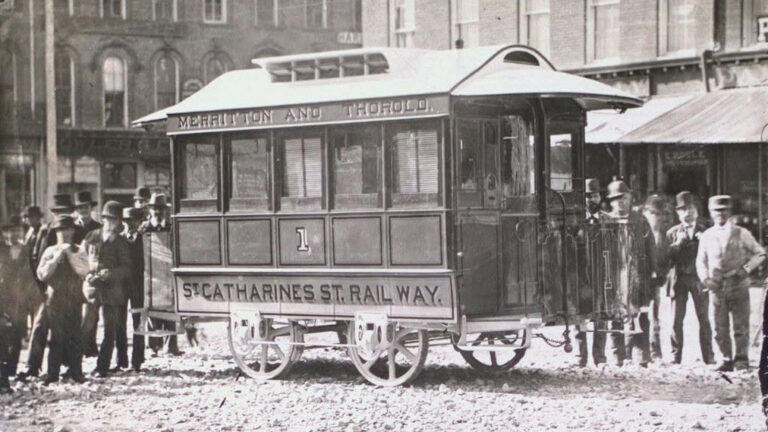
1874
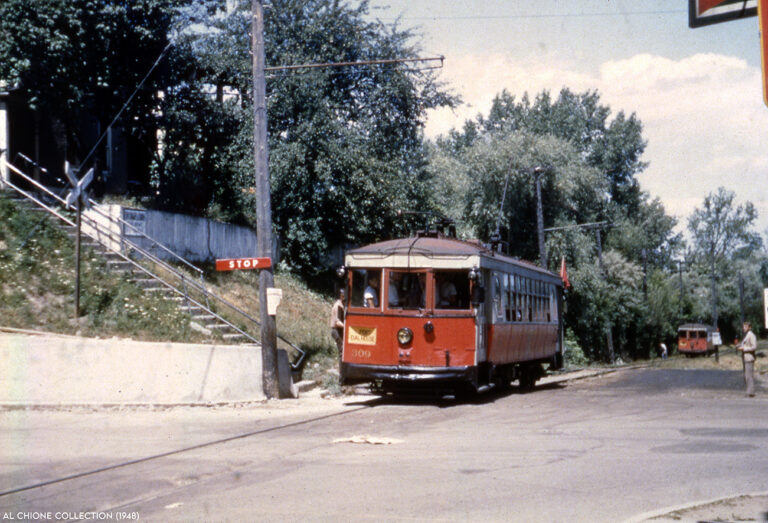
Horse-Drawn Streetcars in St. Catharines
The St. Catharines Street Railway begins service, and it is electrified in the 1880s.

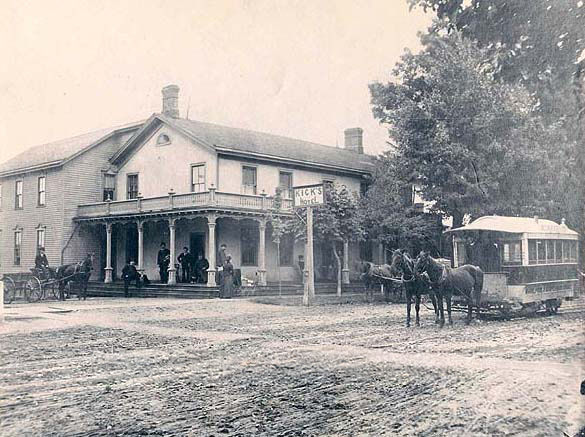
1887
Niagara Falls' first transit
Horse cars link the Village and the Town of Niagara Falls.
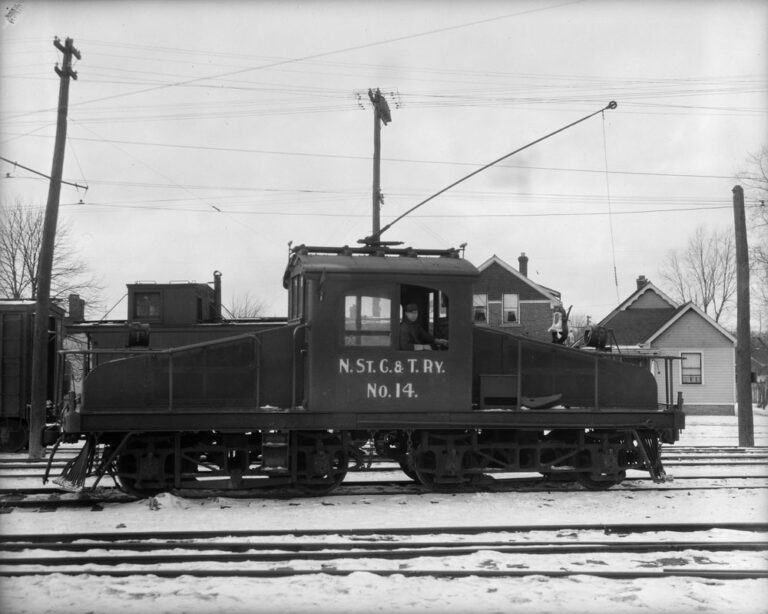
1898
The NS&T interurban
Electric rail links St. Catharines, Thorold and Niagara Falls into the 1960s.
1940s
Streetcars give way to buses
The Depression and rising costs push the region onto motor buses.
1961
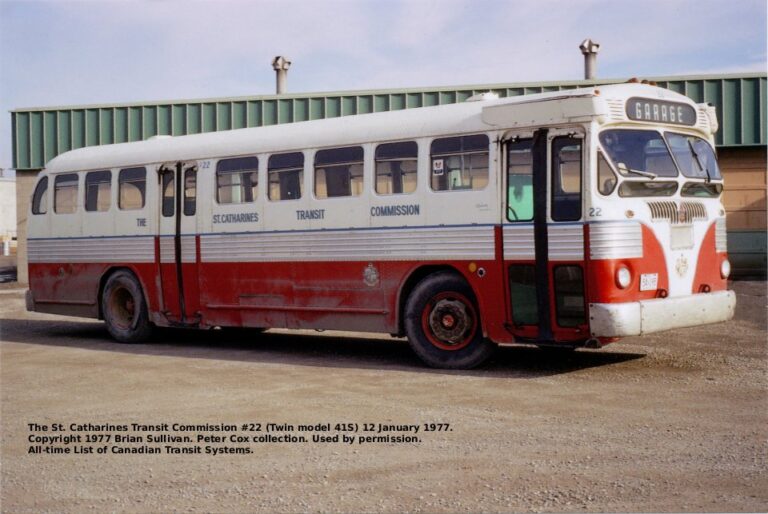
Cities run their own buses
The St. Catharines and Greater Niagara transit commissions take over local service.
2011
Intercity service begins
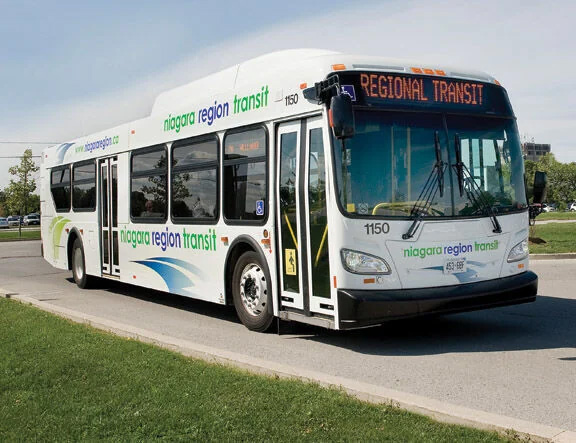
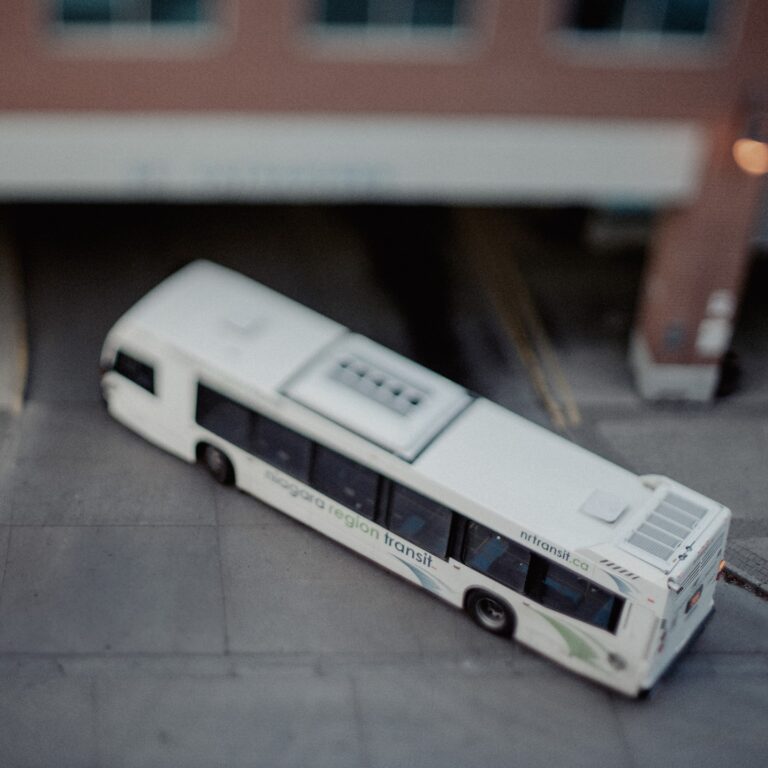
Niagara Region Transit starts linking the separate local systems.
2023, Since amalgamation
Five systems become one
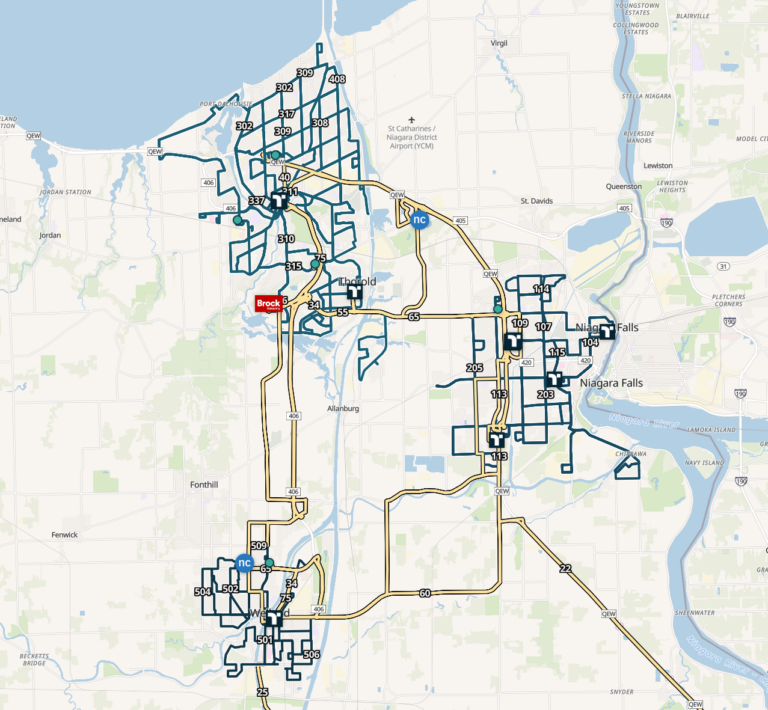
St. Catharines, Niagara Falls, Welland, Fort Erie and regional service merge on January 1. Ridership climbs from 5.6M to 9.5M.
2024, Since amalgamation
A record 10.9 million rides
On-demand and specialized service become one, Chair-A-Van comes in-house, and customer service opens seven days a week.
2025, Since amalgamation
One Fare, Anywhere
$3.50 for every trip, kids 12 and under ride free, the Transit Benefit Pass launches and 27 new buses arrive.
2025, Since amalgamation
Coverage with no dead zones
Radio coverage now reaches every route, and 99.9% of scheduled trips run.
2026, Since amalgamation
Service 365 days a year
Regional Sunday and holiday service begins, keeping a promise made at amalgamation.
2026, Since amalgamation
New connections
Route 303 serves St. Catharines GO and Route 751 brings a community bus to Fort Erie.
Next, Coming next
124 new buses
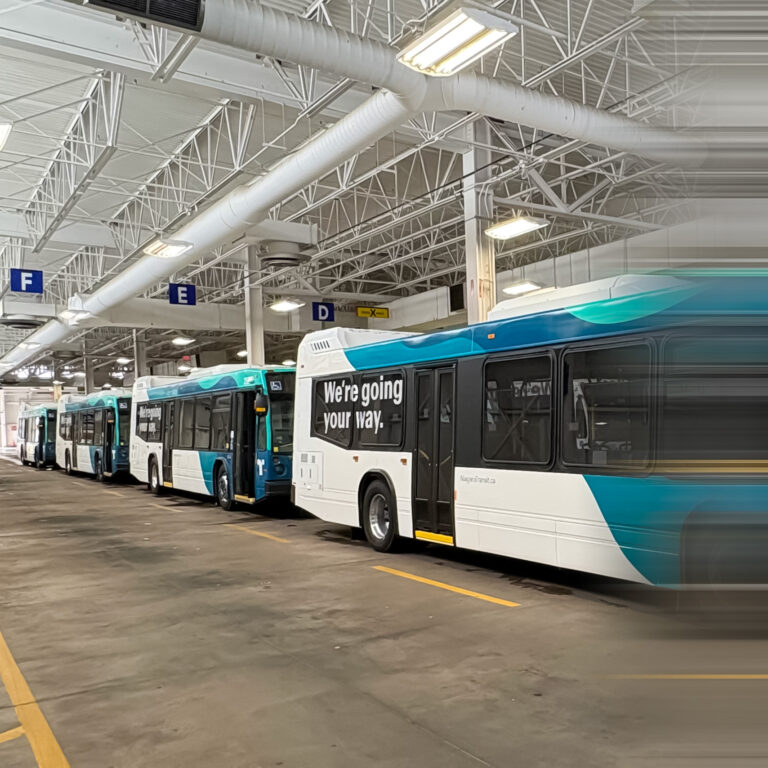
New buses with real-time tracking, cameras and secure fareboxes, funded by $128M from three governments.
Next, Coming next
Grimsby GO and beyond
A planned 2027 connection to the new Grimsby GO station, and the 10-year growth plan.


Filled dots mark the years since amalgamation.
Progress since amalgamation
Since becoming one system in 2023, we’ve made transit in Niagara simpler, more affordable and more reliable.
2026
Sunday and holiday service, network-wide
Our most-requested change. Since September 2026 the full network, including regional routes and Microtransit, runs 365 days a year.
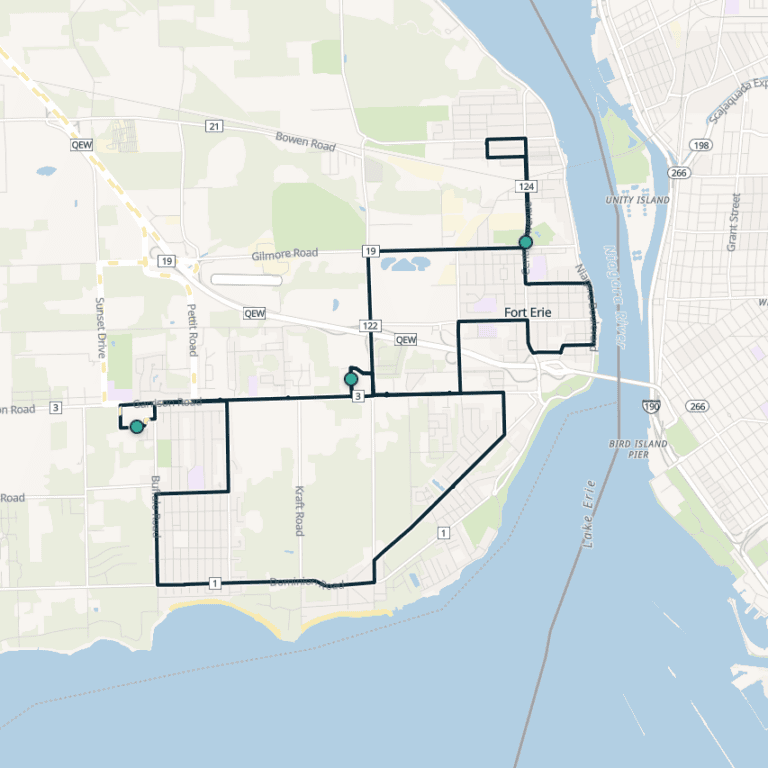
Fort Erie community bus
Route 22, the Fort Erie Link, runs all day, interlined with a new community route that reaches the South Niagara Hospital without a transfer.
Full transit coverage in Niagara Falls
Service now reaches areas outside the old urban boundary, including community spaces that never had transit before.
2025
One fare, anywhere
A single $3.50 fare replaced separate $6 regional and $3 local fares, opening up the whole region to riders.
The Transit Benefit Pass
A $50 monthly pass for residents on Ontario Works, ODSP or a low-income threshold. 5,176 passes were sold in the first months, a 338% jump over the old discounted pass.
Our first 10-year Master Plan
Approved in principle in June 2025, it sets the framework for expanding transit in every community through 2035. See the plan.
1,800+ bus stops assessed for accessibility
A system-wide review of every stop against provincial accessibility standards, guiding improvements under our Multi-Year Accessibility Plan.
New service to Dain City
The Port Colborne Link was rerouted to bring hourly service to Dain City, connecting it to both Welland and Port Colborne.
Radio dead zones eliminated
Better tower coverage means operators and supervisors stay in contact across the whole region.
Active projects
Alongside the Master Plan, focused studies are shaping the system’s future.
Facilities, Strategic Asset and Service Network Master Plan
Our review of infrastructure, routes and operations, developed with consultant Left Turn Right Turn, that produced the 10-year plan for transit across Niagara.
Status: approved in principle, June 2025. Improvements are rolling out in stages.
Fleet Electrification Strategy and Implementation Study
A phased plan to cut greenhouse gas emissions by moving to electric vehicles and infrastructure, while protecting reliability and value for taxpayers. Developed with Alectra Energy Solutions over a 25-year horizon.
Status: in progress.
Still to come in 2026
More specialized service in St. Catharines and Thorold
More capacity, for more availability and shorter trips where demand has grown.
The whole fleet branded
Every vehicle, conventional, Microtransit and support, carrying Niagara Transit branding.
Advocacy for funding
Federal and provincial pre-budget submissions, to secure capital and operating support for transit.
Annual reports
The full story of each year, with the numbers behind it.
Help shape the future of transit
Your feedback guides where we go next. Share your thoughts, or dig into the plan behind our roadmap.