



A year of delivering on key priorities: a 10-year master plan, one fare anywhere, and the Transit Benefit Pass.
General Manager’s 2025 Annual Report
Niagara Transit in 2025.
General Manager’s message
On behalf of Niagara Transit, I am pleased to present the 2025 Annual General Manager’s Report. It was an exciting year in which we delivered on key priorities and made significant progress towards a more connected, efficient and affordable transit system for Niagara riders.
Our most significant milestone of the year was the adoption of our Facilities, Strategic Asset, and Service Network 10-Year Master Plan. I want to thank our Board and our staff for their dedication and vision in bringing such a comprehensive and ambitious plan forward. I also want to recognize the community groups, hundreds of members of the public, local stakeholders and all of our riders who contributed to aligning our goals for this next decade with their needs and desires for transit service across Niagara. We have made great progress on transit in Niagara and still have much to do. This plan will guide us towards realizing a truly connected transit network that benefits all Niagara residents.
We also moved to one fare, anywhere, harmonizing fares across the system to open borders across the region to all our riders. Launching the Transit Benefit Pass, we are making transit more affordable for those receiving Ontario Works or the Ontario Disability Support Program, or who meet a low-income threshold.
Additionally, our on-time performance led our industry peers from across Canada, our ridership continued to significantly outpace our budget, and we celebrated the arrival of new vehicles to update our aging fleet and provide efficient and reliable service.
As always, I want to recognize the dedicated staff that make Niagara Transit the great service that it is for our riders. Their hard work and dedication is never taken for granted. They embody our organizational pillars, Service Excellence, Safety, Customer Focus, Affordability and Employee Success, and are the unwavering force that drives us forward.
The coming year will see continued strides for the communities we serve. We will add Sunday and holiday service across our entire network, introduce the Fort Erie community bus, achieve full service coverage in Niagara Falls and enhance our specialized service in St. Catharines and Thorold.
Thank you for your continued support of Niagara Transit. Together we are creating a truly connected community.

Carla Stout, DPA, General Manager

2025 Board of Directors
- Chair Mayor Mathew Siscoe, St. Catharines
- Councillor J.D. Pachereva, Lincoln
- Councillor Wayne Olson, Pelham
- Councillor Caleb Ratzlaff, St. Catharines
- Councillor Leo VanVliet, Welland
- CAO Ron Tripp, Niagara Region
- Vice-Chair Mayor Wayne Redekop, Fort Erie
- Councillor Joyce Morocco, Niagara Falls
- Councillor Eric Beauregard, Port Colborne
- Councillor Anthony Longo, Thorold
- Councillor William Reilly, West Lincoln
- Councillor Reg Freake, Grimsby
- Councillor Maria Mavridis, Niagara-on-the-Lake
- Councillor Dawn Dodge, St. Catharines
- Mayor Brian Grant, Wainfleet
- Regional Chair Jim Bradley, Niagara Region

In memory of Jim Bradley
Niagara Transit is deeply saddened by the passing of Niagara Regional Chair Jim Bradley. Chair Bradley had an indelible impact on Niagara and was a valued Niagara Transit Commission board member since its inception. His dedication to our community will be greatly missed.
Mission, vision and values
Adopted by the Niagara Transit board in 2024, to guide all our decision-making and planning.
Mission
Providing safe, reliable and sustainable transit service in Niagara.
Vision
Working together towards a more connected region.
Purpose
Helping every person in Niagara experience independence, freedom and a sense of discovery.
Values
Service Excellence, Safety, Customer Focus, Affordability and Employee Success.
2025 highlights
Niagara Transit’s first master plan
2025 saw the adoption of the first 10-year Master Plan in our history. It lays out the framework for the needed expansion of transit in Niagara, while staying agile to respond to growth and change as it happens. Every community will benefit from better connectivity, longer transit hours, optimized routes and greater availability.
What will the plan mean for Niagara?
- More one-seat journeys
- Faster trips
- More frequent service
- Fewer trip denials on Microtransit
- Better service in more marginalized areas
- Improved access and service efficiency
Introducing the Transit Benefit Pass
Transit is a social service that many individuals and families across Niagara rely on to reach basic necessities, jobs, education, health care and other critical services. When residents are struggling to make ends meet, transportation is one of their biggest costs.
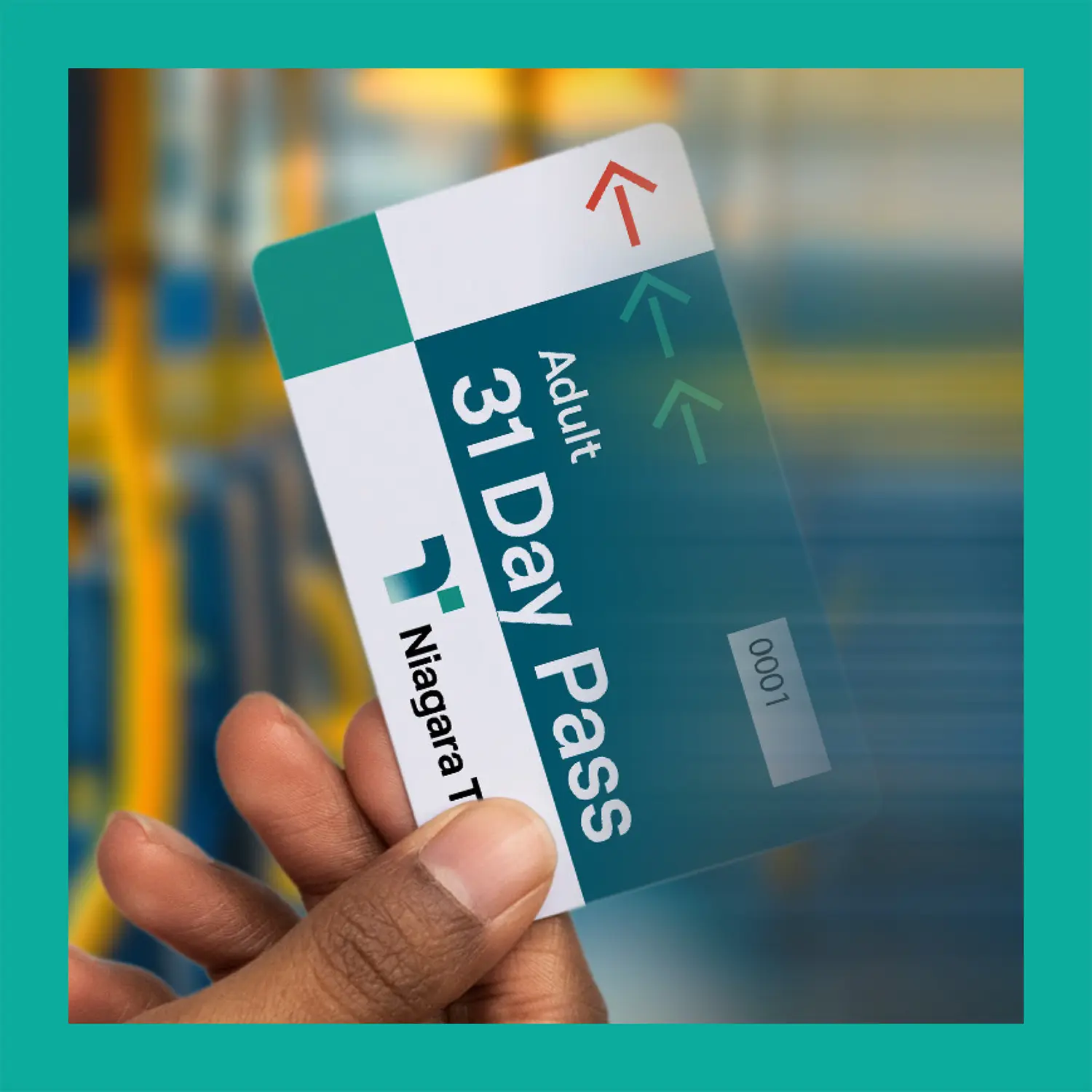
The Transit Benefit Pass launched at the beginning of July 2025. 5,176 passes were sold through the program, 3,993 more than the previous discounted pass in the same period of 2024: a 338% increase. Residents receiving Ontario Works or the Ontario Disability Support Program, or meeting a low-income threshold, are eligible, an estimated close to 50,000 people in Niagara.
The program would not have been possible without the Social Assistance and Employment Opportunities department at Niagara Region, a testament to the power of partnerships between Regional departments and service providers like Niagara Transit. It is expected to keep growing quickly in 2026. The pass is available at 11 locations across Niagara.
One fare, anywhere
Beginning July 1, we moved from separate regional and local fares of $6 and $3 to a single $3.50 fare, with 10-ride and 31-day passes changed to match. Niagara residents can now travel anywhere on any of our services for the same affordable price.
A single fare was a key strategy proposed during the triple-majority process that amalgamated transit in Niagara, and an important change identified in several pre-amalgamation studies of service delivery and governance. It makes transit simpler to use, addresses inequality and makes the region more affordable, opening up opportunities for work, education, housing and much more. It also simplifies fare collection and reduces administrative work.
The simpler structure attracts more riders, which supports local businesses and economic development and our ability to deliver the 10-year Master Plan. And as our staff meet regularly with the Provincial-Municipal Fare Strategy Implementation group, it prepares us for possible future integration with the Ontario One Fare program, and potentially a move to PRESTO for fare collection.
Service Excellence
Strong conventional service delivery and on-time performance
We continued our strong, above-industry-average service on conventional routes. Our team delivered over 99.9% of every trip scheduled for the year, and improved on-time performance (OTP) to 84% on conventional and 93% on our commingled service, against an Ontario peer average of 81%. New buses and other service improvements contributed to another strong year, and we plan to continue the trend in 2026.
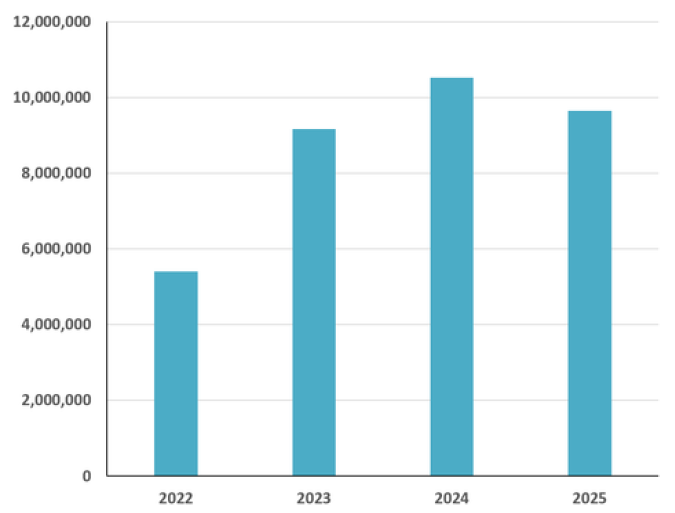
Ridership tops 10 million trips again
In 2025, post-secondary U-Pass ridership was affected by the federal government’s decision to limit international student visas. While this led to reduced service to Niagara College, growth in non-student ridership meant Niagara Transit delivered more than 10 million trips again in 2025.
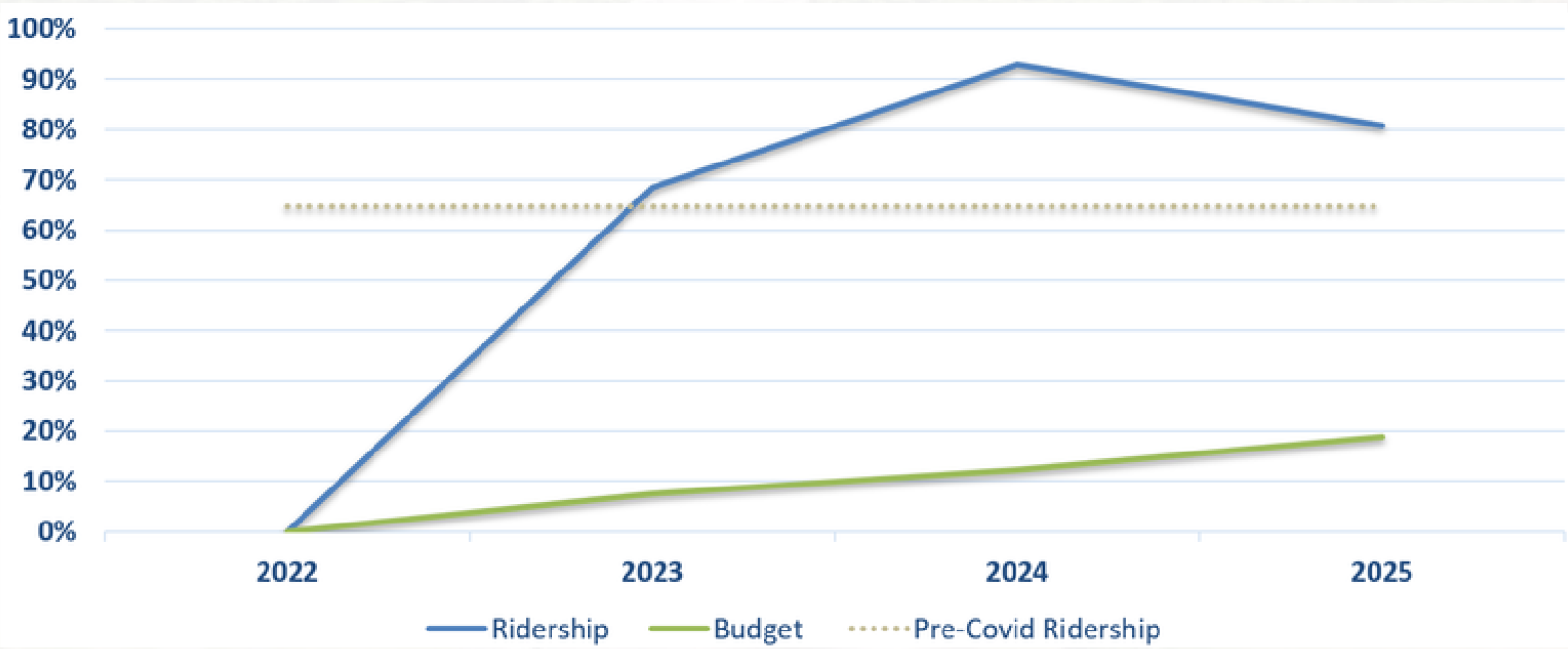
Students used to be the largest group of riders; regular adult fares have now passed student U-Pass trips for the second year running, up 11% in 2025. Ridership continues to outpace budget increases, showing that transit is delivered efficiently and effectively in Niagara, and we expect strong growth to continue as we work toward the master plan’s targets.
New buses delivered
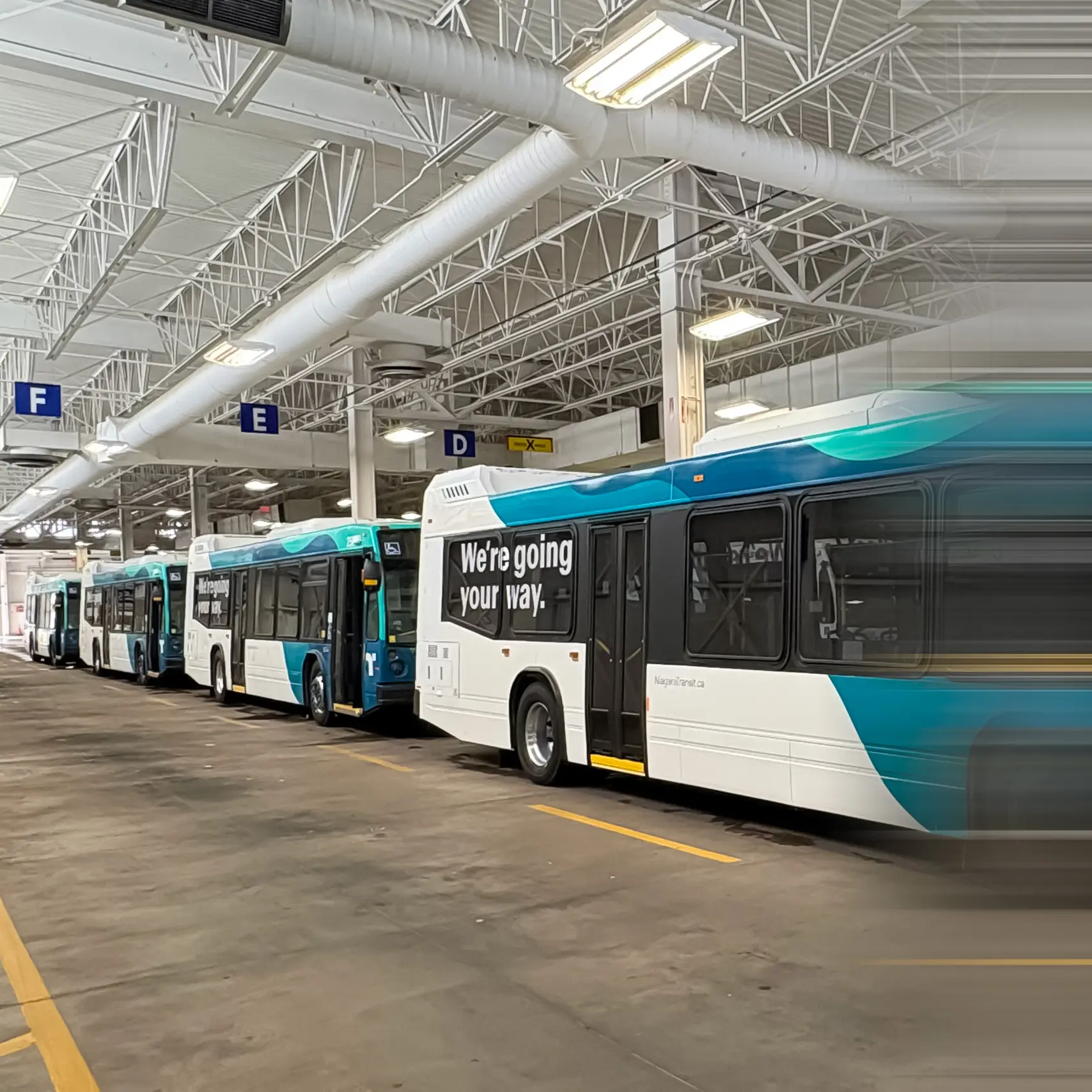
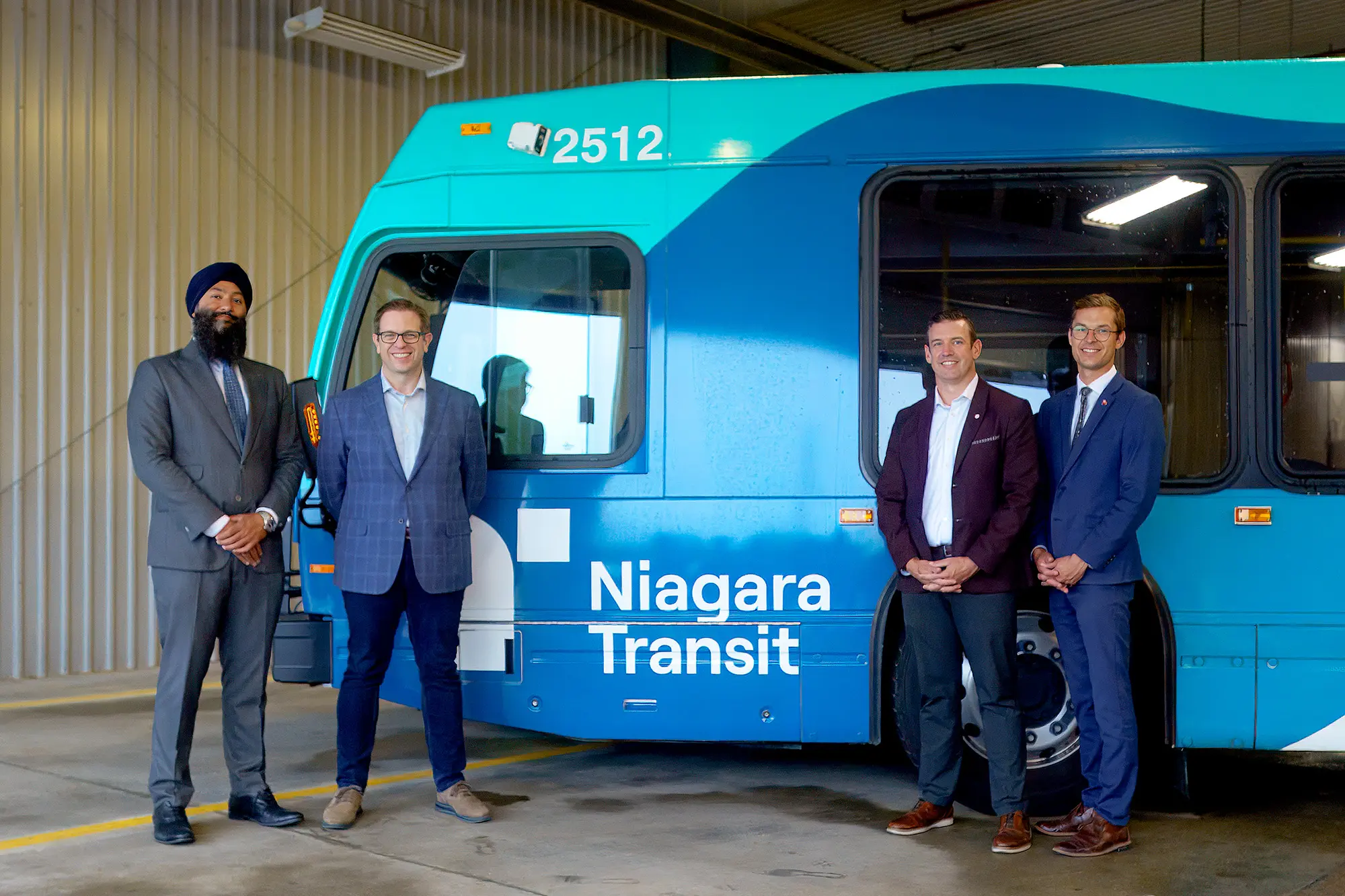
If you think you’ve seen more buses with our new Niagara Transit branding around your neighbourhood, you’re right. In 2025 we took delivery of 27 new buses. They replaced aging buses in our fleet and will bring better fuel economy, fewer repairs and more uptime. We used key federal and provincial funding to keep the cost to taxpayers down. Watch for more to arrive in 2026!
New service to Dain City
As part of expanding conventional service to new areas within our existing resources, Route 25, the Port Colborne Link, was rerouted to bring hourly service to Dain City residents. It connects the area to both Welland and Port Colborne, reduces reliance on Microtransit there, and frees up Microtransit capacity across Welland: an example of the continuous improvement riders can expect as we put the master plan in place.
Boosting reliability
Improving reliability was a major focus this year. With new maintenance programs, new vehicles and reduced absenteeism, only 444 trips were missed out of over 1,165,900 scheduled departures from a Niagara Transit facility. Missed trips fell sharply through the year (Q1: 268, Q2: 99, Q3: 38, Q4: 39), and we look forward to more improvement in 2026.

Safety
Safe Driver/Worker Program
In 2025 we introduced a program that recognizes people across the organization with zero preventable collisions, on-board injuries or preventable claims in the calendar year. It recognizes and promotes safe driving and safe practices in every area of Niagara Transit, and will run every year.

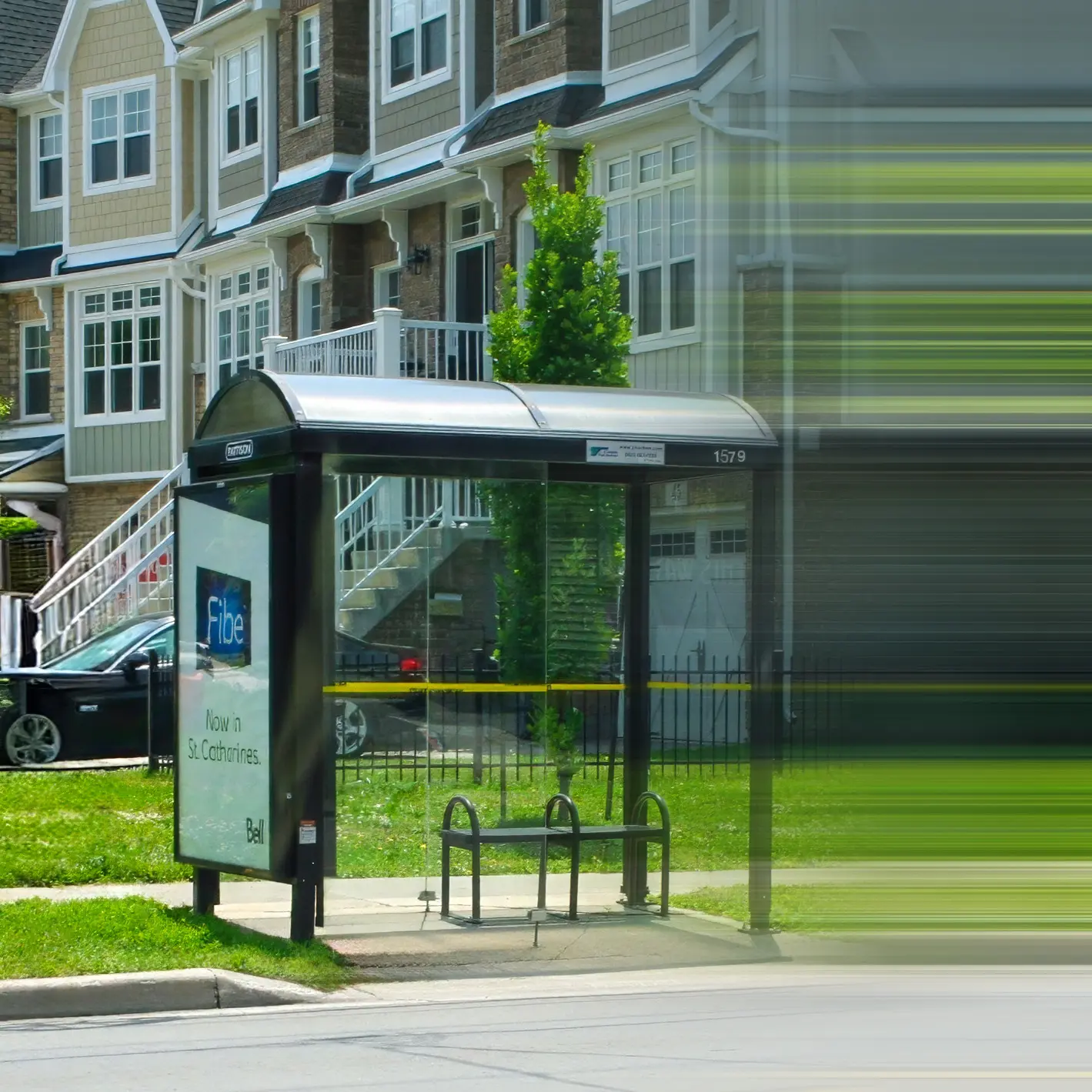
System-wide bus stop accessibility assessment
In summer 2025 we reviewed all of our more than 1,800 bus stops across Niagara against provincial accessibility standards, an important step toward making improvements where possible. We will keep making improvements under our Multi-Year Accessibility Plan.
New security cameras at the Welland terminal
Surveillance helps prevent incidents and gives timely responses and proper records when they happen. We replaced the aging cameras at the Welland Terminal with ones that give a clearer, more complete view of the property. They are visible to riders and already appear to be a strong deterrent, and they help us assist Niagara Regional Police when incidents occur.

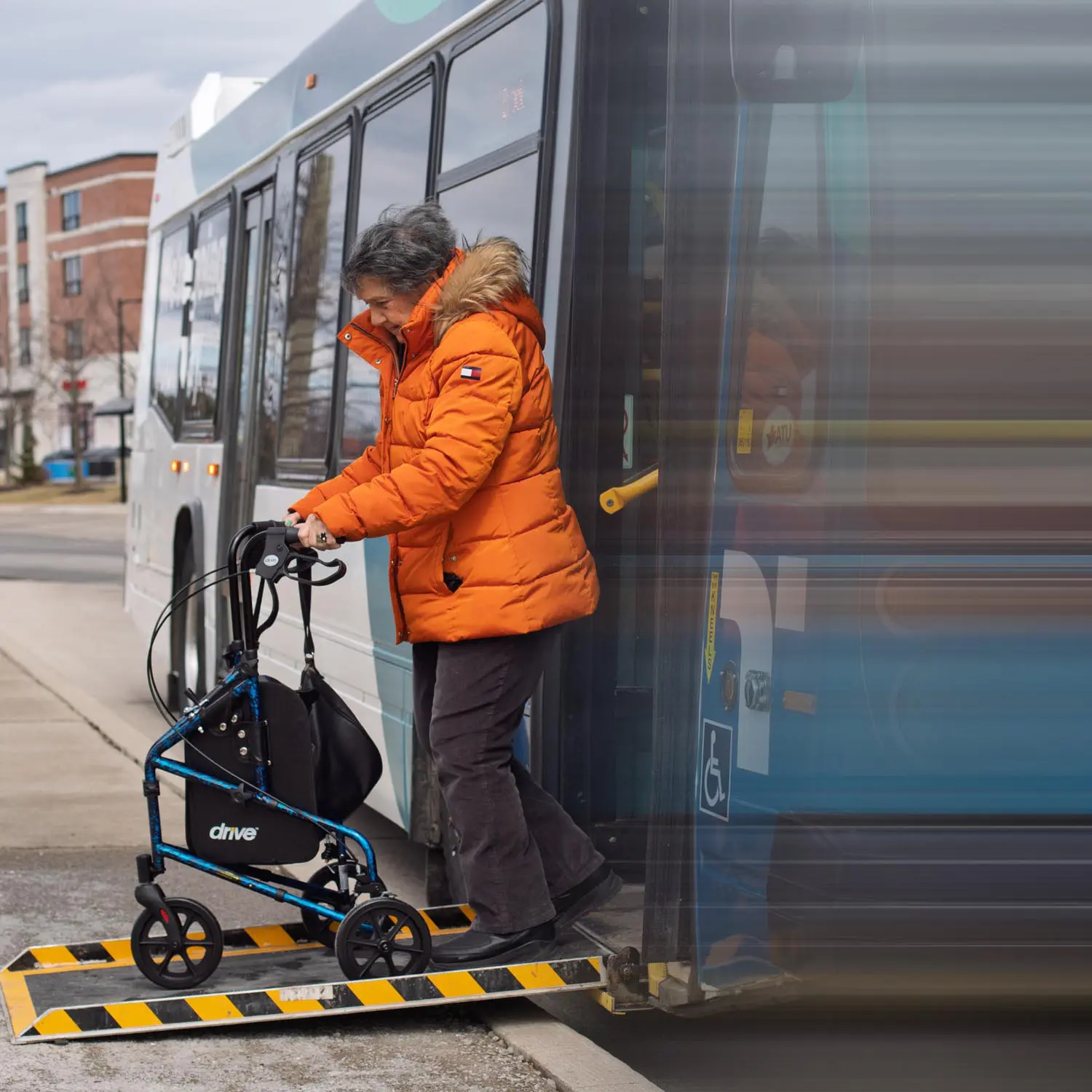
Successful third-party safety audit
In 2025 Niagara Transit completed an independent health and safety audit by Langlois Safety & Training Consulting Services, confirming the Commission’s compliance with health and safety legislation and our commitment to a safe, accountable workplace and transit system.
Radio dead zones eliminated
Communication between operators, supervisors and other staff is critical to safety. Since amalgamation, parts of the region had dead zones where operators were out of touch. In 2025 we improved our tower coverage, and now have full radio coverage of our routes across the region.
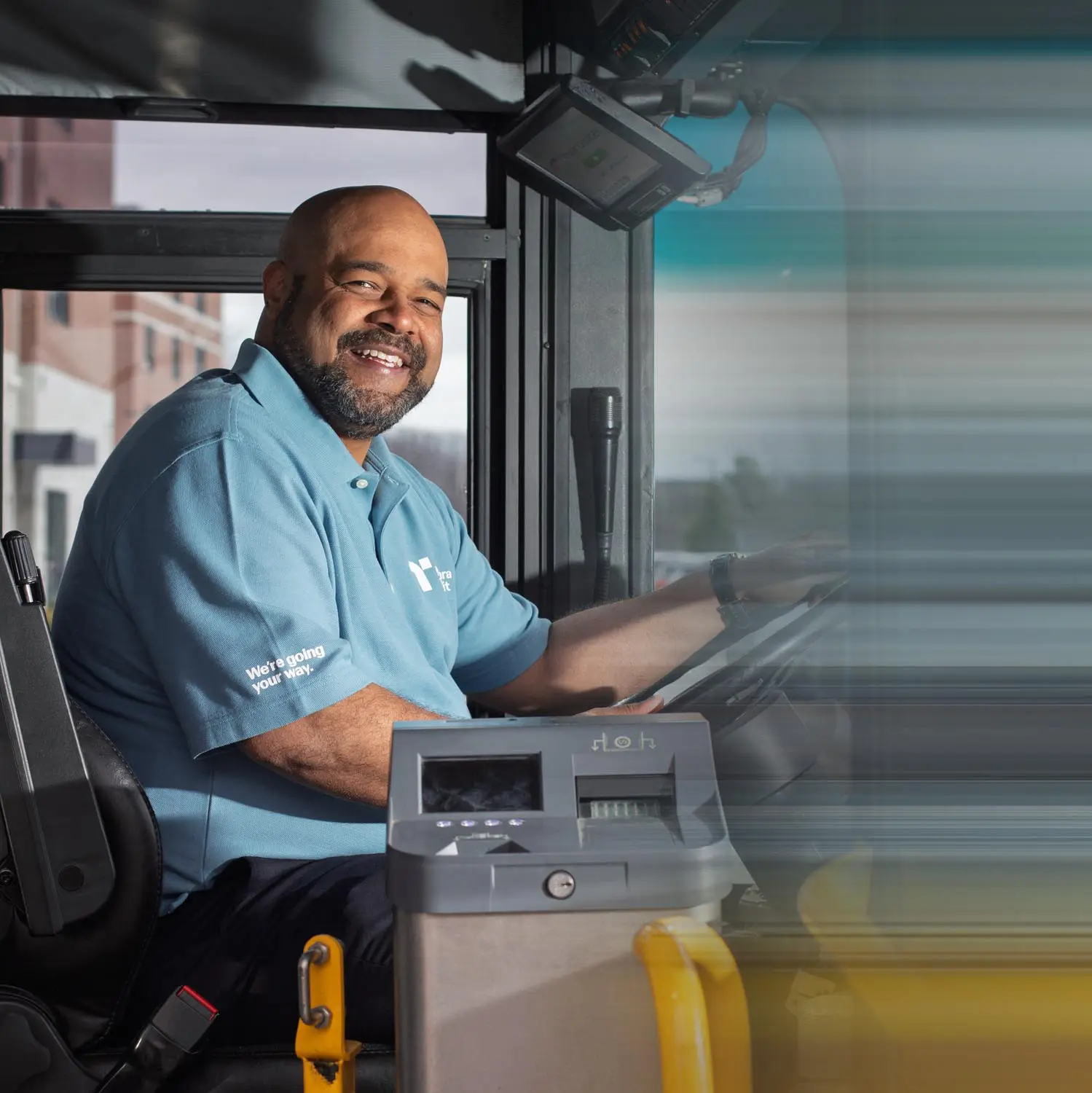
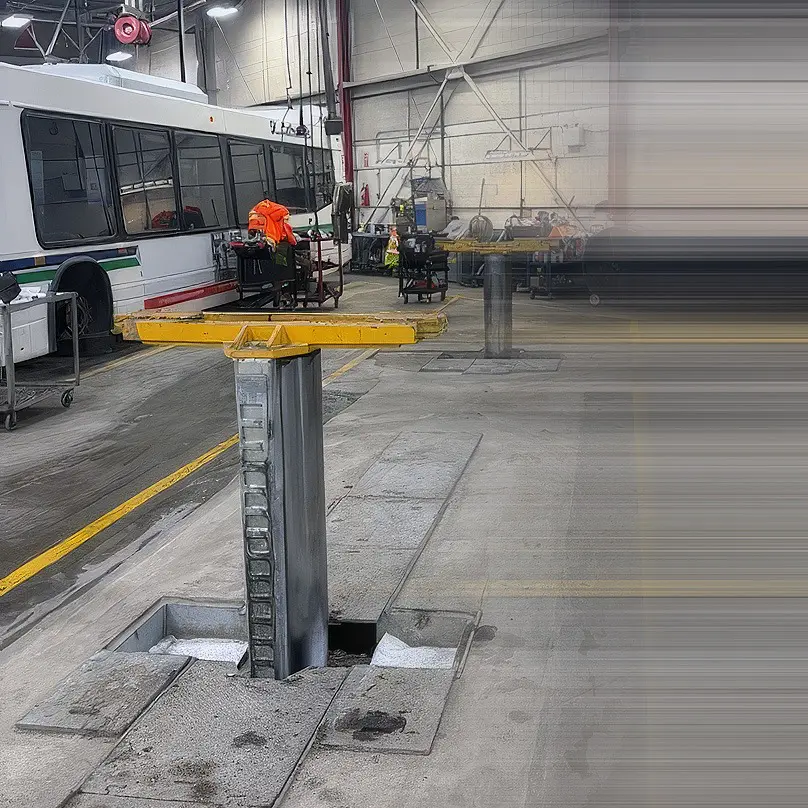
New in-ground hoists in St. Catharines
We replaced the hoists at our St. Catharines garage. The new hoists keep maintenance crews from standing near buses while they are raised, reducing the risk of serious accidents.
Safer facilities
New panic buttons at the St. Catharines, Niagara Falls and Welland terminals let staff sound an alarm and call Niagara Regional Police to the site immediately. We also added access control and security staff at the Welland terminal.

Customer Focus
Strong community engagement
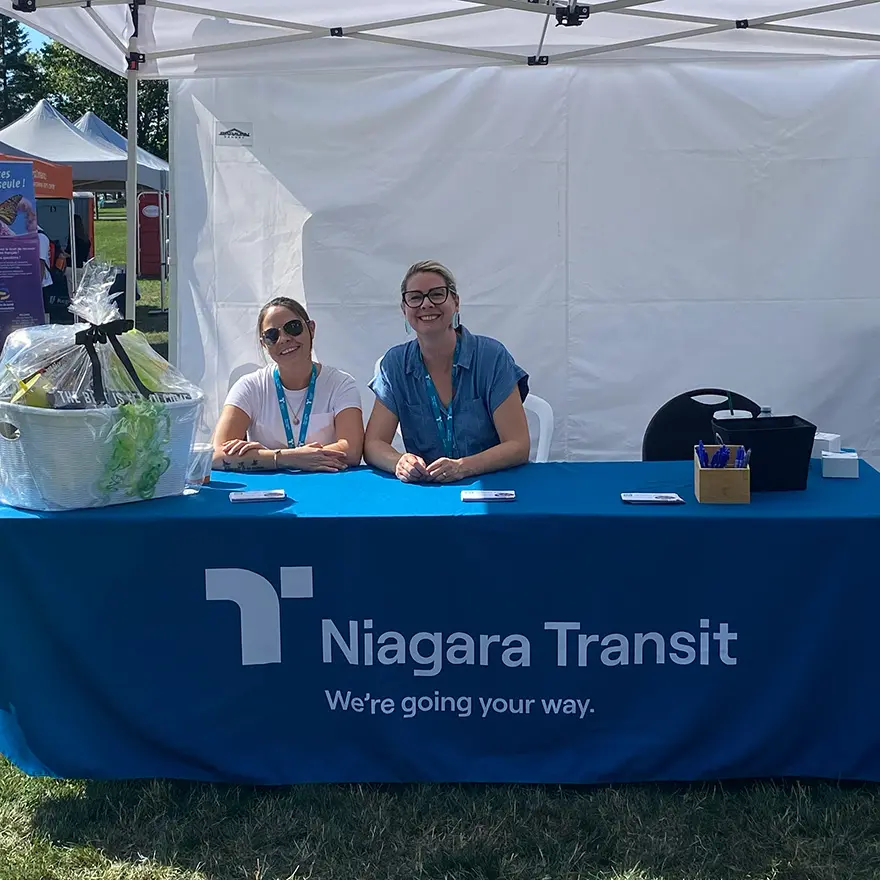
In 2025 we took part in 92 engagements and presentations with community groups and stakeholders across the region, including seniors’ groups, libraries, student and sports groups, and community centres. We also attend committees, such as accessibility and DEI committees, to gather feedback. We’ll be back in your community in 2026.

Successful Niagara College referendum
The Niagara College Student Administrative Council (NCSAC) held a referendum in 2025 asking students whether to keep the U-Pass program. Our staff helped U-Pass riders understand what the change would mean, and students voted overwhelmingly, 84%, to keep the U-Pass.
Multi-Year Accessibility Plan completed
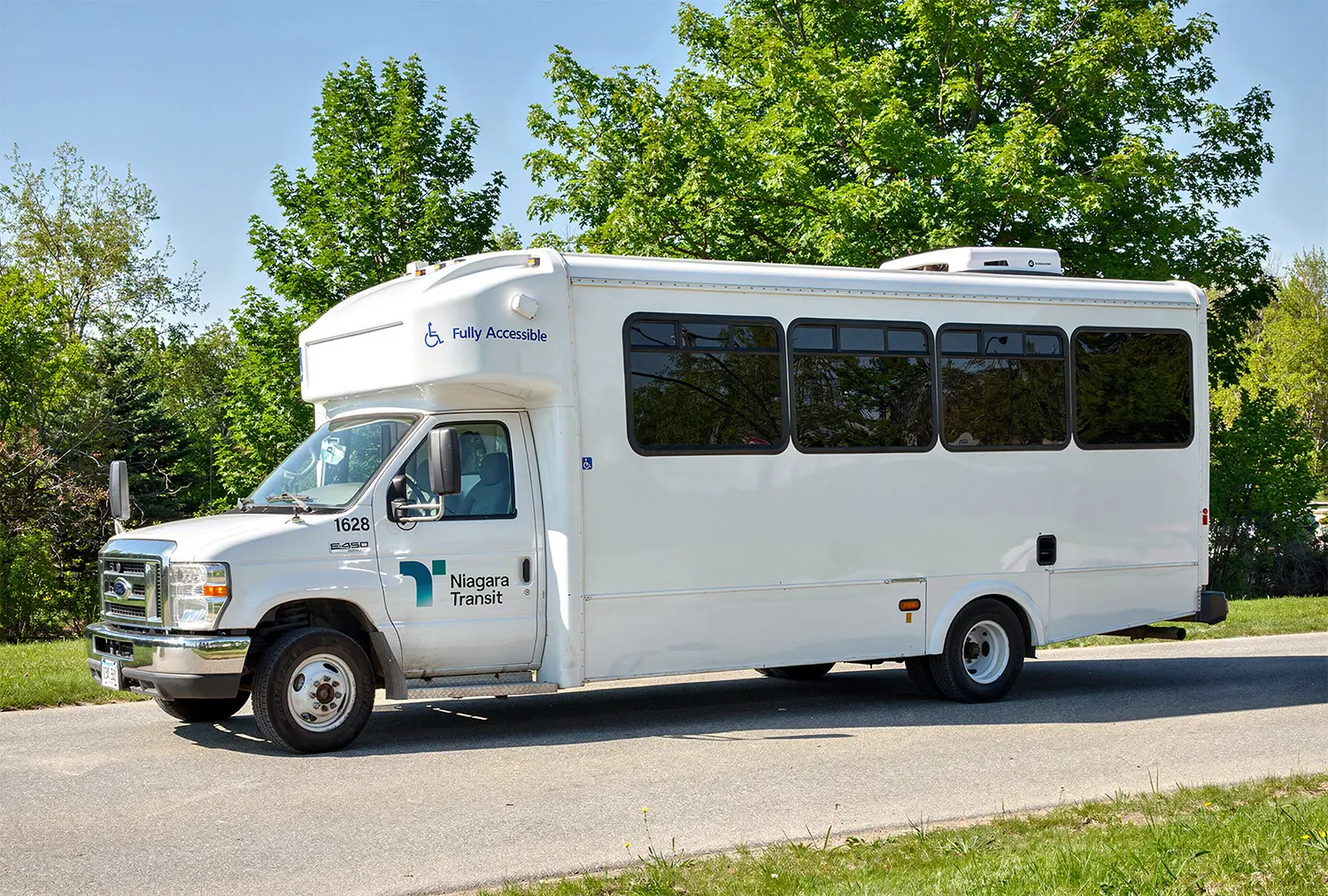
The Commission’s board passed our Multi-Year Accessibility Plan (MYAP) for 2025 to 2029. It sets a roadmap to meet accessibility, inclusion and compliance targets across the organization and for riders on Niagara Transit’s 100% accessible transit services.
A facelift for the St. Catharines terminal
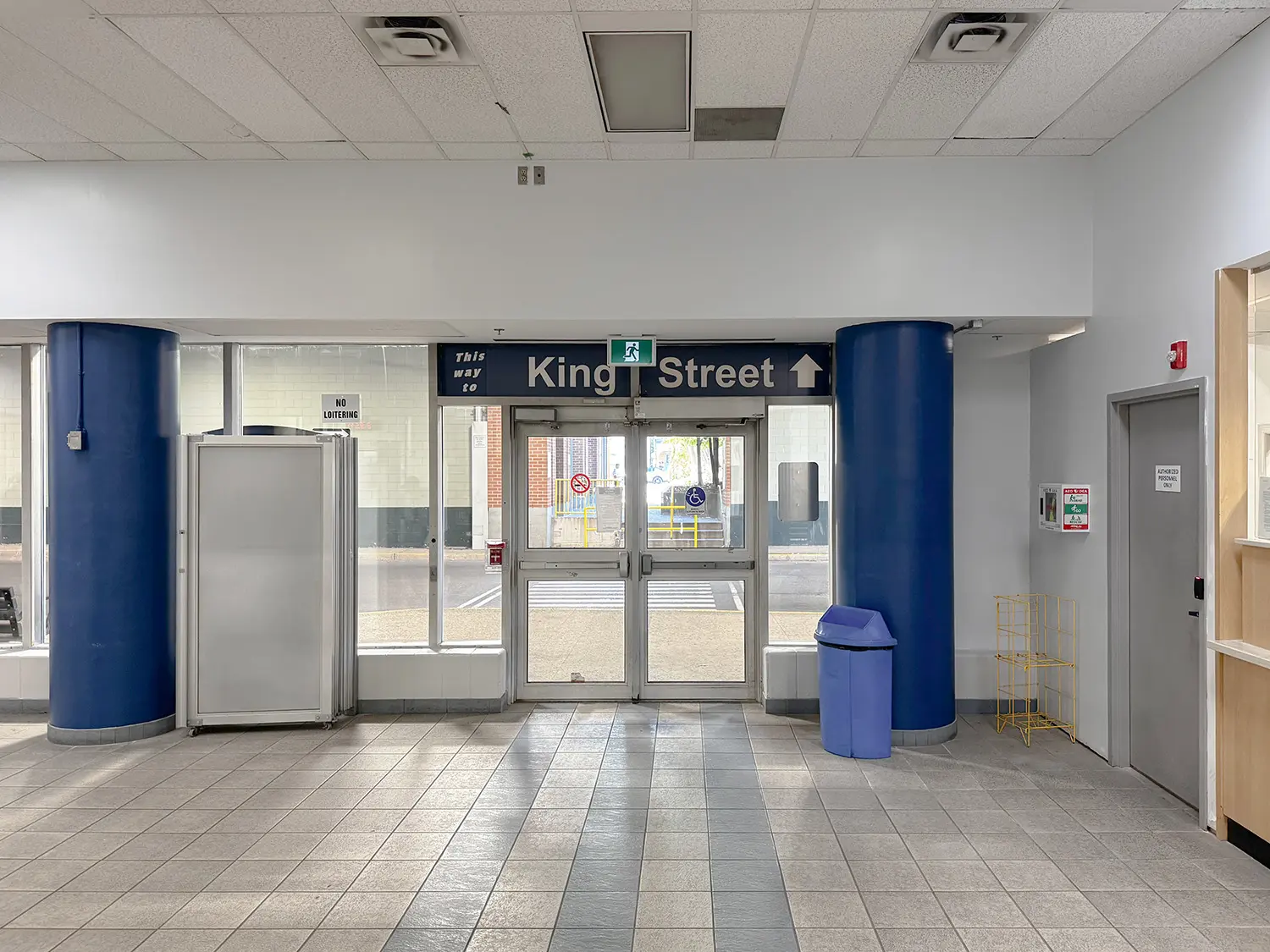
We completed needed cosmetic repairs at the St. Catharines Downtown Terminal, improving the space inside and out, with new programs to keep it looking its best.
Affordability
Federal and provincial funding
Federal and provincial governments play a key role in transit funding. Municipal budgets are limited, and a comprehensive transit network would not be possible on our own. In 2025 we announced $93 million in ICIP and $35 million in CPTF funding, critical for replacing capital and upgrading facilities.

Stabilization reserve ahead of schedule
The stabilization reserve covers one-time, extraordinary costs or year-end deficits; events like the COVID-19 pandemic showed how important that is. Surpluses in our first years let us build it ahead of schedule, protecting riders and taxpayers from future unexpected costs.
Moving ICIP funds to new priorities
In 2025 the board approved seeking to repurpose Investing in Canada Infrastructure Program (ICIP) funds that local municipalities uploaded as part of amalgamation. In our fourth year we have new priorities, and aligning ICIP funding with them will help us deliver while keeping local costs down.
Poverty Reduction Committee
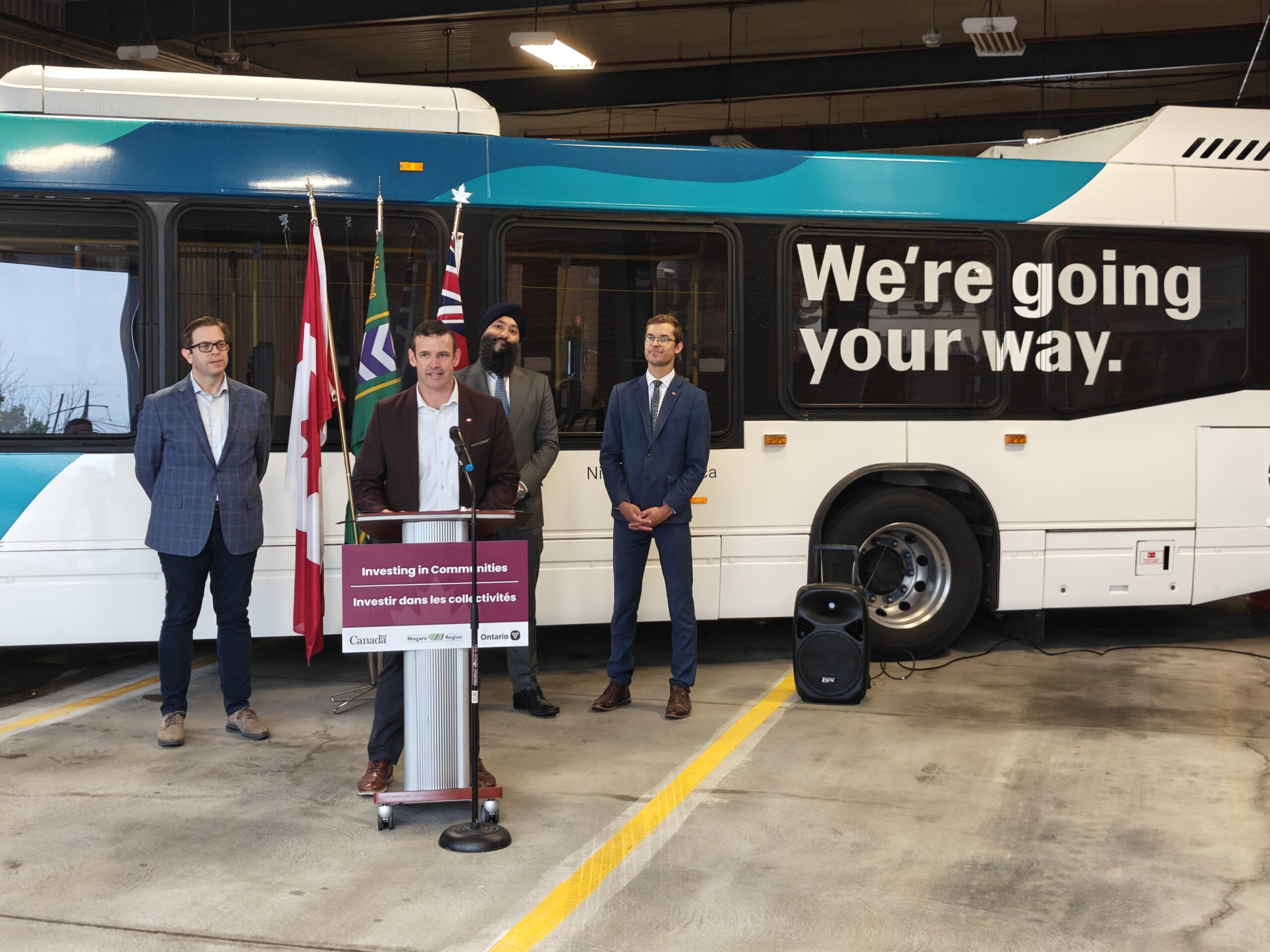
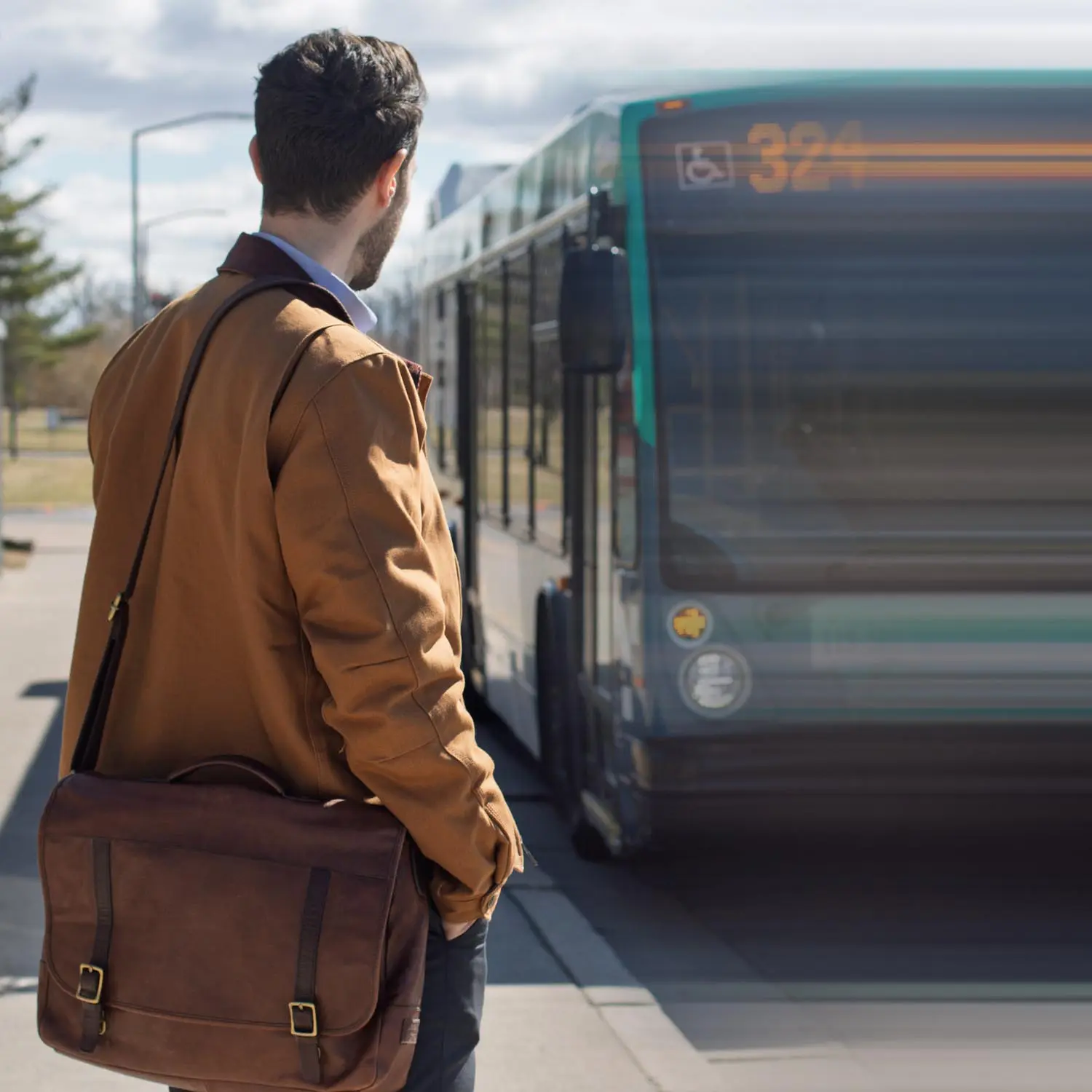
Niagara Transit serves residents from all walks of life, and we take an active role on the Niagara Poverty Reduction Strategy Steering Committee. Transit is vital for people experiencing poverty, connecting them with jobs, health care and social services, and letting them take part in their community.
Employee Success
A focus on training
We are always training and refreshing skills for our operators, supervisors and other staff, to give riders the best service. This year’s highlights included critical incident stress management and incident note-taking for supervisors.
The Bus Roadeo is back
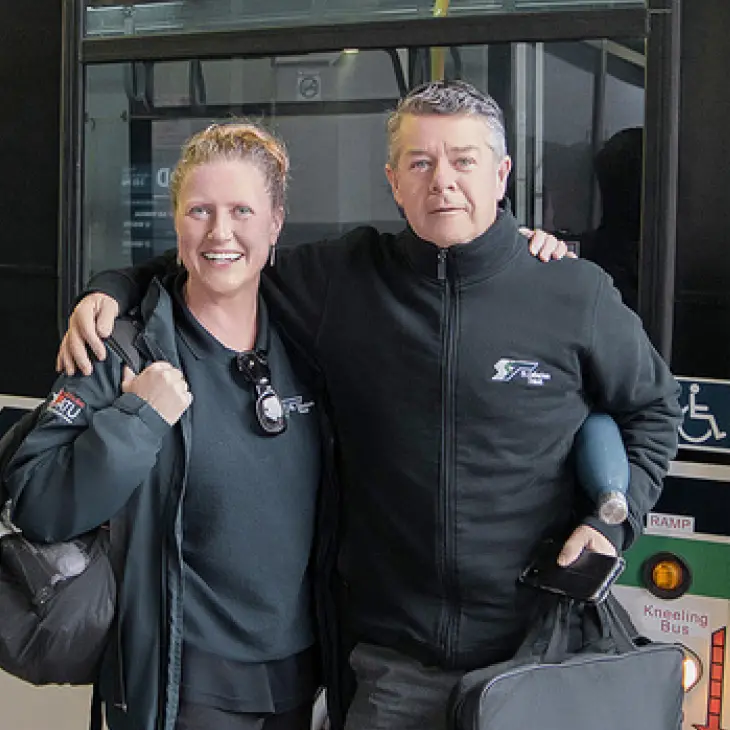
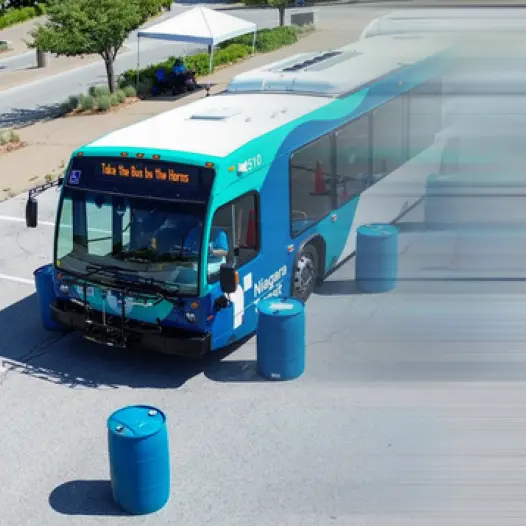
We brought back the Roadeo, a fun weekend for operators to show off their skills and for staff from across the organization to celebrate. Drivers steered through a timed course of tight turns, narrow straights and pinpoint reversing, scoring points for each section. Congratulations to our winner, Mike Horner, for taking the bus by the horns!
Performance assessment program
For the first time, Niagara Transit introduced a performance assessment program, being completed in 2026 for 2025. It gives non-union employees a chance to highlight their performance and get structured feedback from their direct supervisor.

Rudolph (the bus) came to town
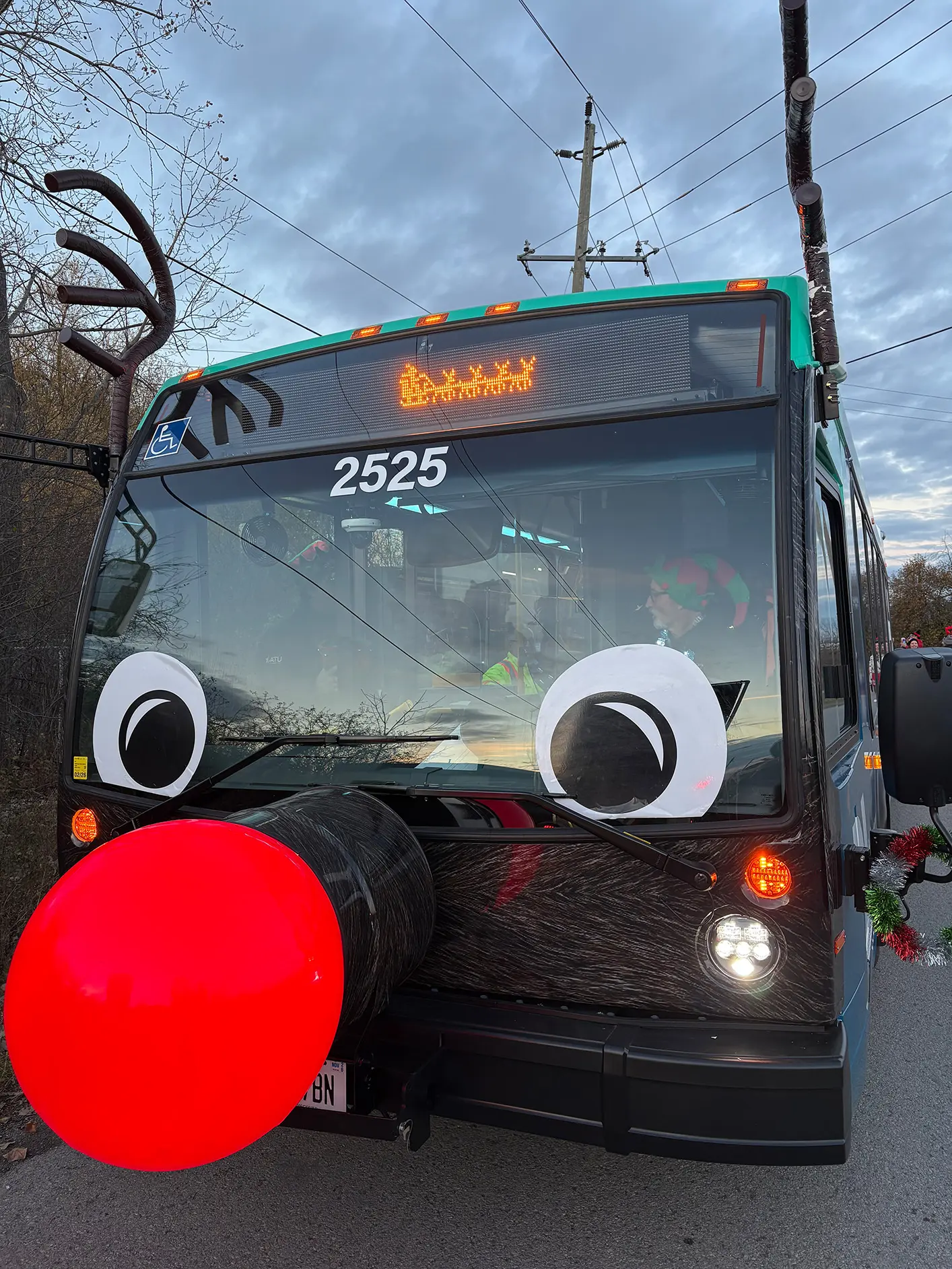
We joined local Christmas parades, bringing the Rudolph bus to 9 of our communities, a fun way for operators and staff to add some holiday cheer. Rudolph will be back in 2026!
What’s next in 2026
Sundays and holidays across the network
Our most common request since amalgamation has been Sunday and holiday service across the network. Regional routes and Microtransit in many communities ran only Monday to Saturday, and not on statutory holidays. As of September 2026, our full network will run 365 days a year: a key pillar of amalgamation that will benefit all riders, especially those who use transit to get to work.

The Fort Erie community bus returns
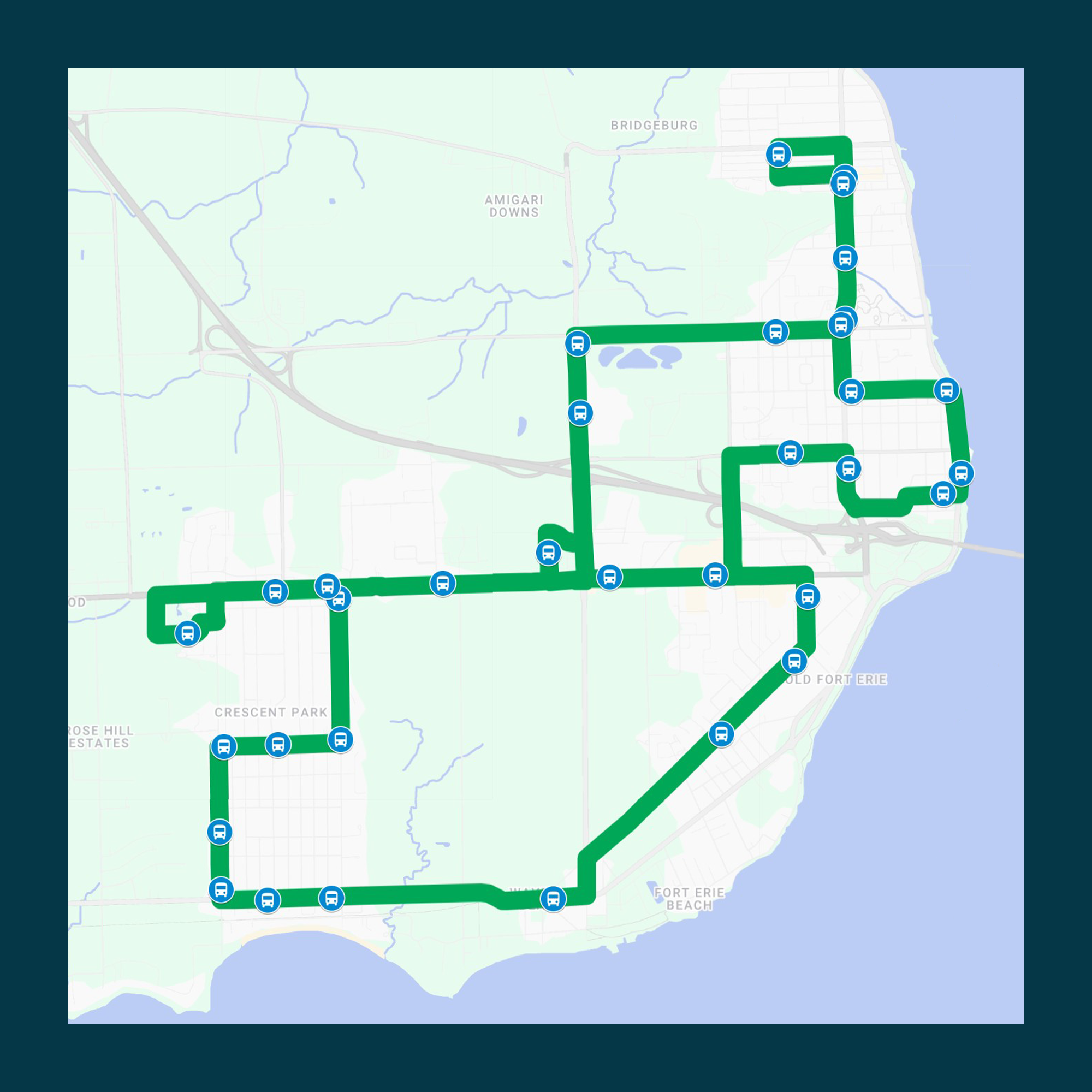
Fort Erie has seen high and growing Microtransit ridership, more than 100,000 trips in 2025. In May 2026, Route 22, the Fort Erie Link, will run all day and be interlined with a new Fort Erie community bus route, giving consistent service to the town’s busiest places and letting residents reach the new South Niagara Hospital without changing buses.
Advocacy
In 2026 we will build on our advocacy. As members of the Ontario Public Transit Association and the Canadian Urban Transit Association, we will keep calling for more capital and operating support for transit from higher levels of government, make pre-budget submissions to the federal and provincial governments, and meet decision makers at events such as the AMO Conference and OPTA’s Queen’s Park Lobby Day.

Full transit coverage for Niagara Falls
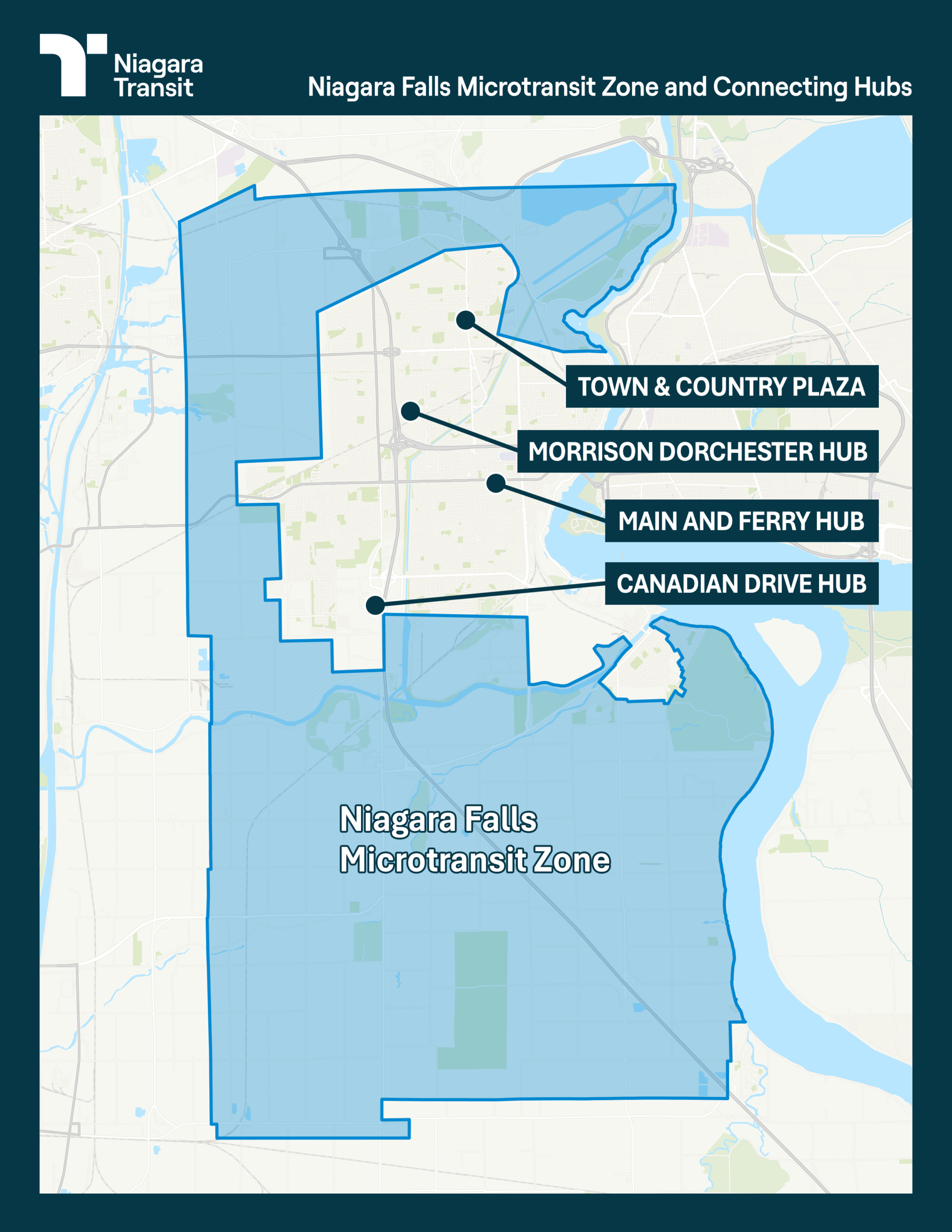
At amalgamation, some areas had never had transit. Niagara Falls Transit did not serve areas outside the urban boundary, so residents couldn’t reach places like Firemen’s Park and other community spaces. For 2026, Niagara Falls Council supported serving the whole city, and it was included in this year’s budget.
Better specialized service in St. Catharines and Thorold
Demand for specialized transit has grown in St. Catharines and Thorold, and in 2026 we’re adding capacity to meet it: more space for riders means more availability and shorter trips, starting in May.


More supervision on the road
On-road supervisors matter for safety and customer service, and Niagara’s large area needs enough of them to respond to issues in reasonable time. This year we’re adding a supervisor to keep up with our growing network.
The whole fleet branded
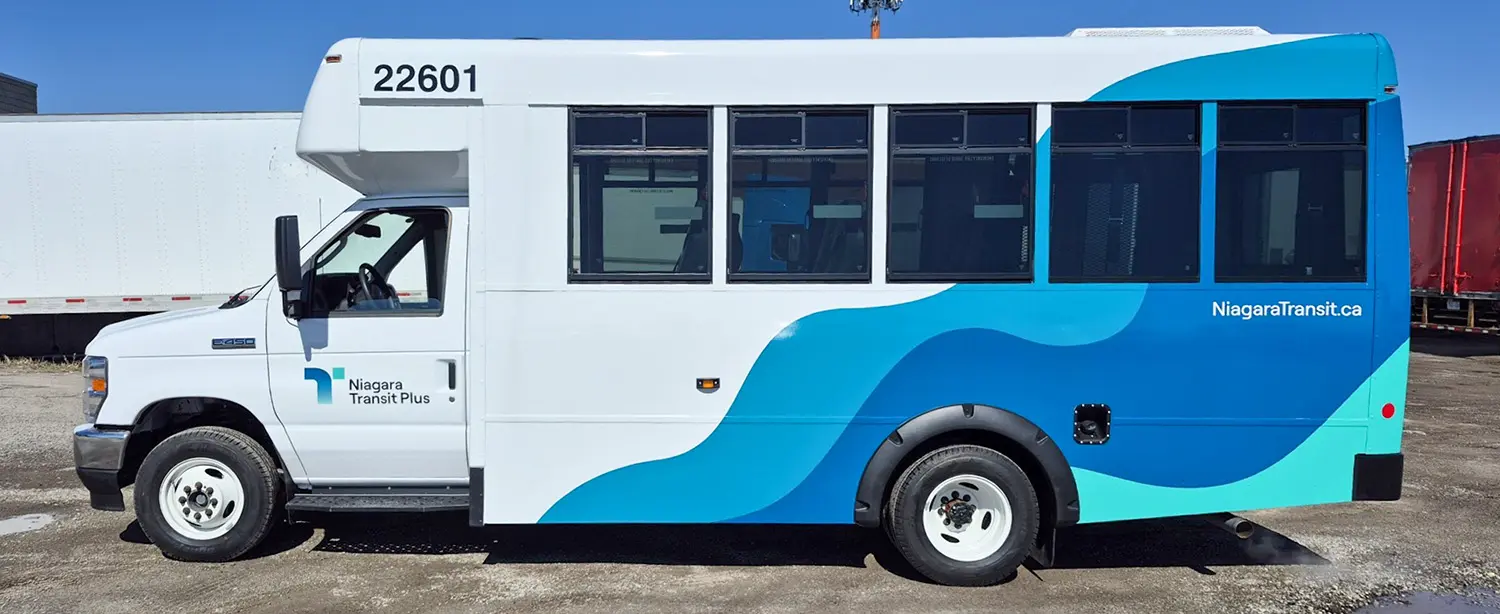
In 2026 we’ll finish putting Niagara Transit branding on all our vehicles, conventional, Microtransit and support, helping people see that we are now one regional system.
2025 key performance indicators
2025 efficiencies
- Fleet role optimization: aligned roles and responsibilities to improve productivity, streamline operations and drive continuous improvement.
- Fare harmonization: harmonized fare products and pricing for clearer fares and simpler operations.
- Technology: IT helpdesk software to streamline service workflow, and wider use of Power BI to automate reporting and support timely, data-driven decisions.
- Group purchasing and strategic sourcing: savings on IT and other commodities through competitive procurement and group purchasing.
Reliable, on-time service
- Over 99.9% service delivery
- 84% on-time performance on conventional service, against an 81% industry peer average
- 93% on-time performance on Microtransit and Specialized Transit
Ridership increase vs. budget increase since amalgamation
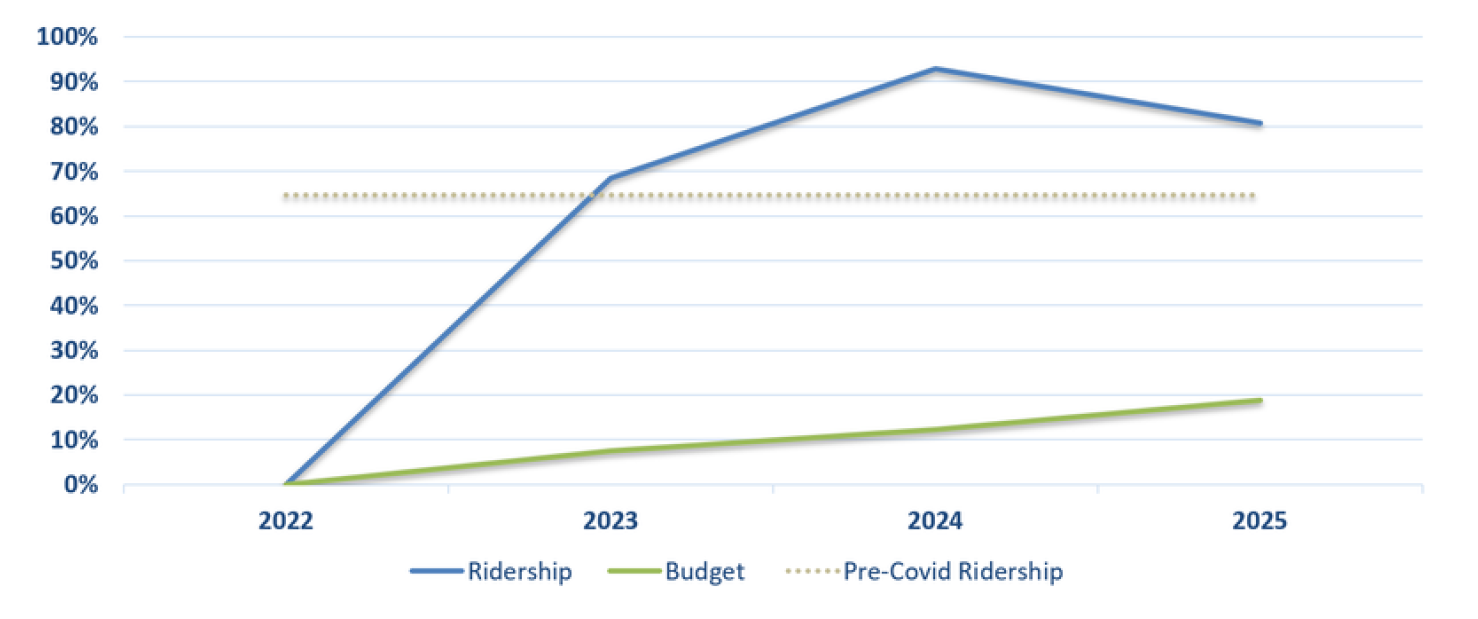
| 2022 | 2023 | 2024 | 2025 | |
|---|---|---|---|---|
| Ridership | 5.6 million | 9.5 million | 10.9 million | 10.0 million |
| Cost per ride | $8.06 | $5.57 | $5.22 | $6.04 |
| Cost per ride, excluding capital reserve | $5.34 | $5.02 | $5.61 |
Blended rate for all transit services.
| Number | |
|---|---|
| Local routes | 88 |
| Intermunicipal routes | 11 |
| Staff* | 453 |
| 40-foot buses | 139 |
| 60-foot buses | 22 |
| Average age of 40-foot buses | 6.7 |
| Average age of 60-foot buses | 8.2 |
| Specialized transit buses | 23 |
| Average age of specialized buses | 7 |
| Support vehicles | 39 |
*2025 budgeted full-time equivalent staff, including temporary staff.
Ridership
Who rides our system?
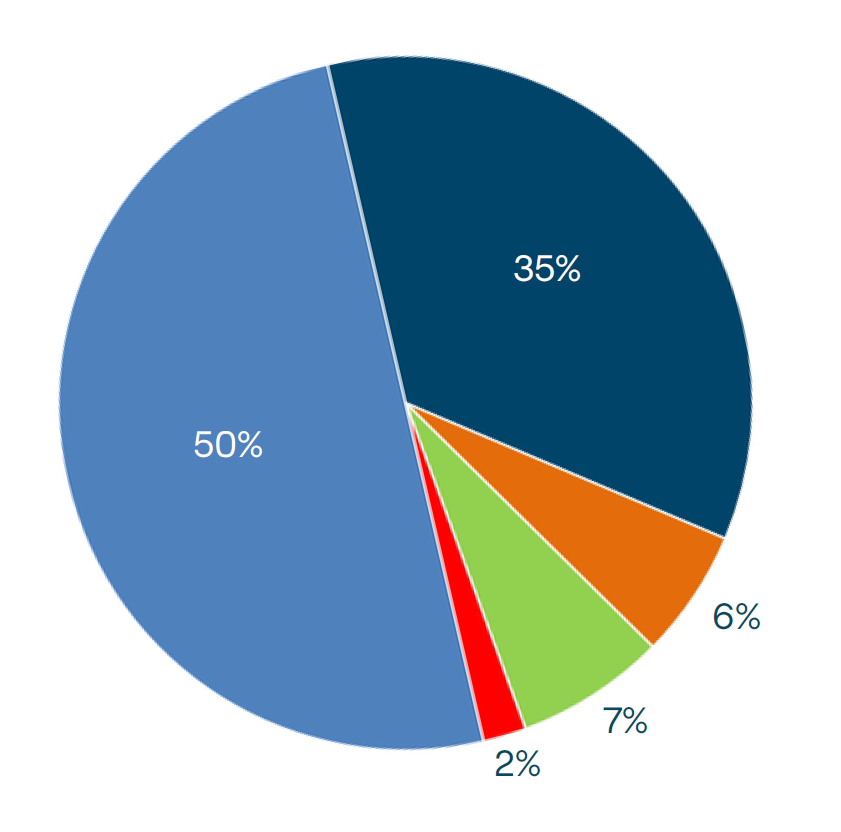
| Category | Definition | Share |
|---|---|---|
| Adult | 18 and over | 50% |
| Post-secondary student | Brock University and Niagara College | 35% |
| Youth | 13 to 17 | 7% |
| Child | Under 12 | 2% |
| Senior | 65 and over | 6% |
Conventional ridership
| Ridership per revenue vehicle hour | Revenue vehicle hours per capita | |
|---|---|---|
| 2023 provincial average* | 21.7 | 1.2 |
| 2024 provincial average* | 22.5 | 1.2 |
| 2024 Niagara Transit | 23 | 1.1 |
| 2025 Niagara Transit | 20.2 | 1.1 |
Specialized and Microtransit ridership
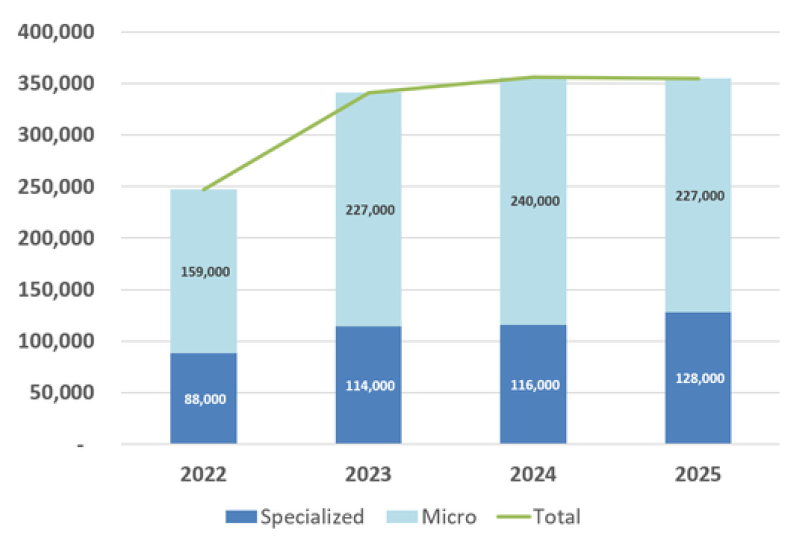
| Specialized: ridership per revenue vehicle hour | Specialized: revenue vehicle hours per capita | Microtransit: ridership per revenue vehicle hour | |
|---|---|---|---|
| 2022 provincial average* | 1.9 | 0.2 | n/a |
| 2023 provincial average* | 2.3 | 0.2 | n/a |
| 2024 provincial average* | 2.2 | 0.2 | n/a |
| 2023 Niagara Transit | 1.7 | 0.1 | 2.8 |
| 2024 Niagara Transit | 1.8 | 0.1 | 2.9 |
| 2025 Niagara Transit | 2.0 | 0.1 | 2.5 |
| 2025 | |
|---|---|
| Average time on vehicle | 18 minutes |
| On-time percentage | 93% |
| Average distance per trip | 9.4 km |
| Average wait time | 7 minutes |
*The provincial average is based on Canadian Urban Transit Association data, comparing similar-sized transit agencies (population 100,000 to 750,000).
Boardings, 2023 to 2025 (not including U-Pass)
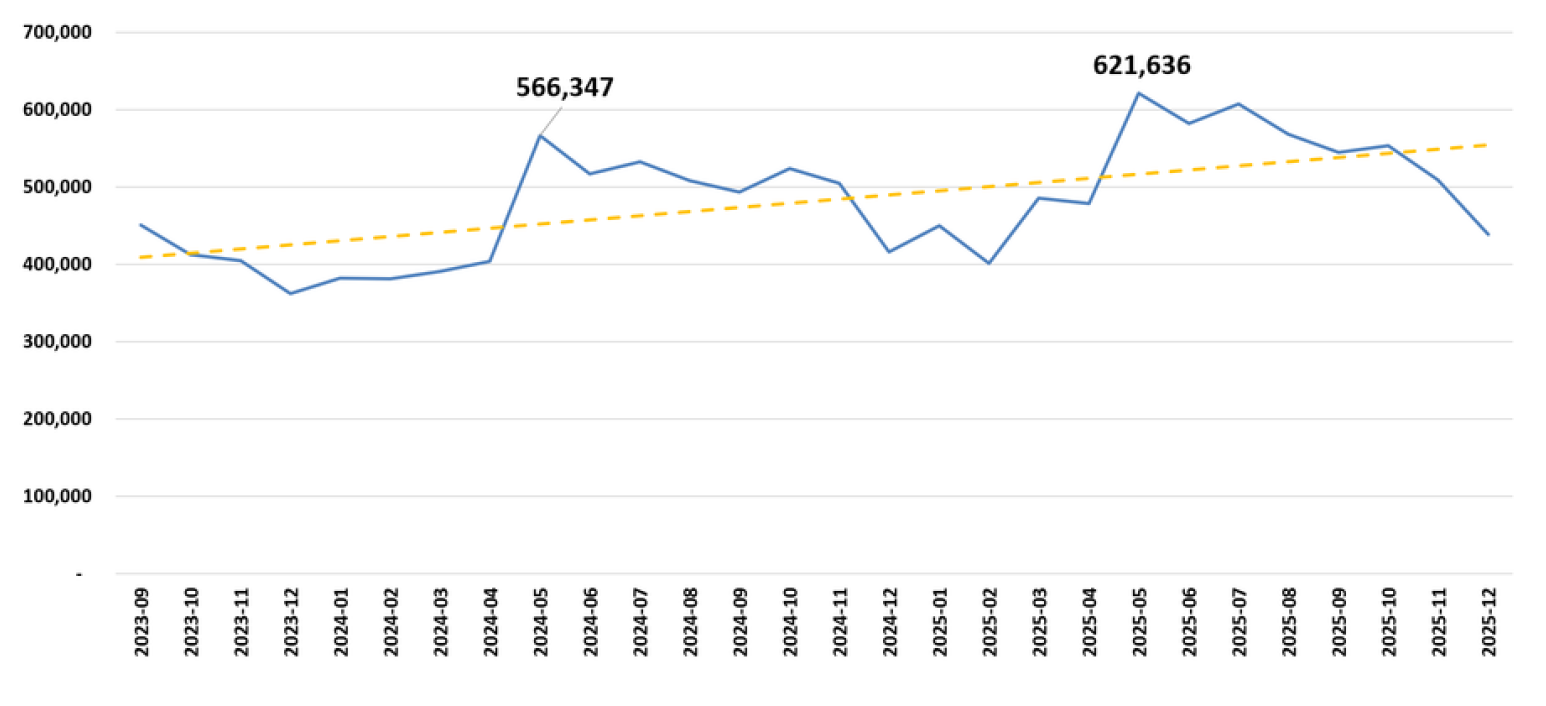
Monthly boardings rose from about 450,000 in September 2023 to a peak of 566,347 in May 2024, and a new peak of 621,636 in May 2025. The trend over the period is steadily upward, from about 410,000 to about 555,000 a month.
Rider safety and service survey
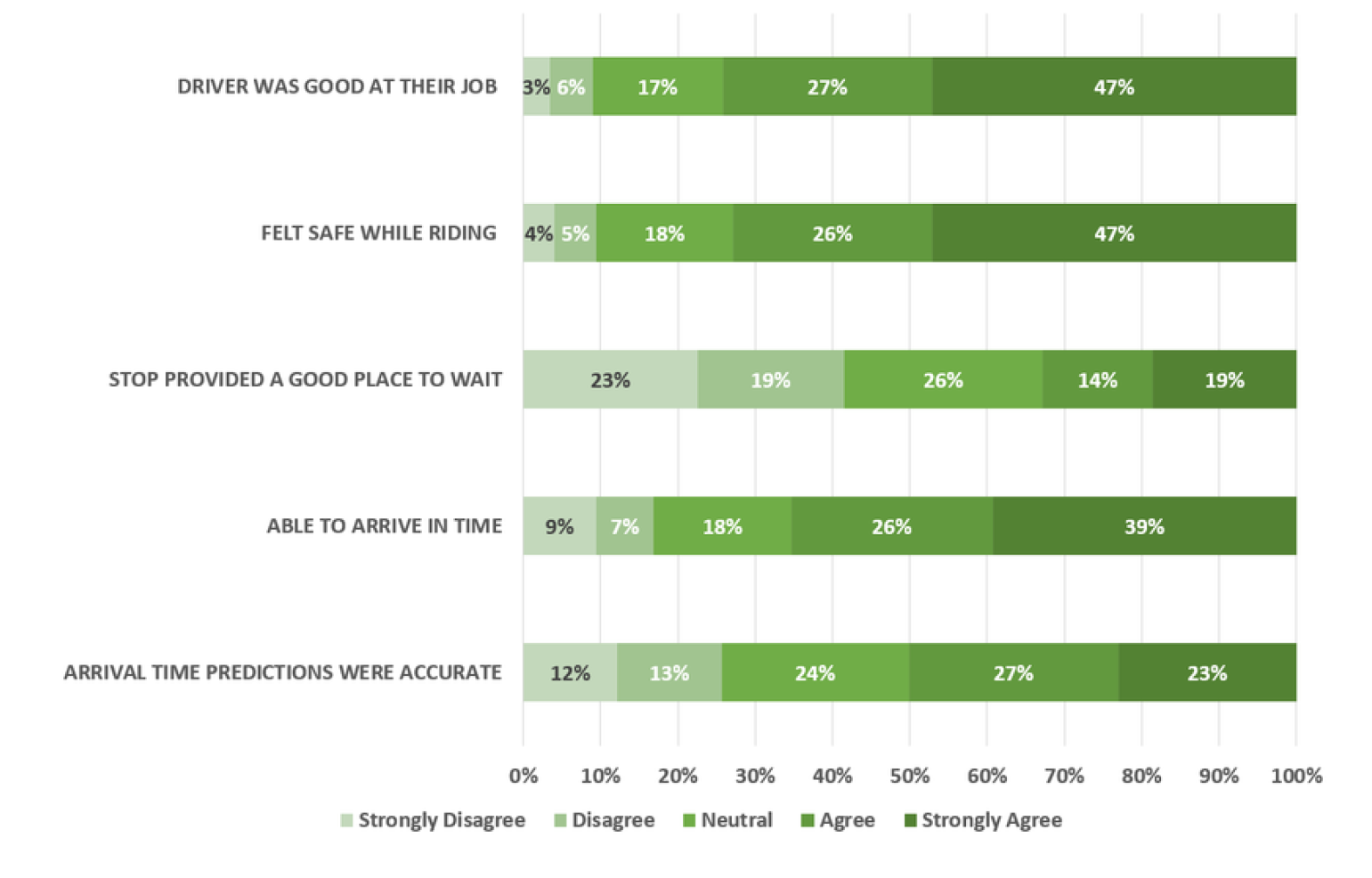
| Statement | Strongly disagree | Disagree | Neutral | Agree | Strongly agree |
|---|---|---|---|---|---|
| Driver was good at their job | 3% | 6% | 17% | 27% | 47% |
| Felt safe while riding | 4% | 5% | 18% | 26% | 47% |
| Stop provided a good place to wait | 23% | 19% | 26% | 14% | 19% |
| Able to arrive in time | 9% | 7% | 18% | 26% | 39% |
| Arrival time predictions were accurate | 12% | 13% | 24% | 27% | 23% |
Distances covered
| Kilometres | |
|---|---|
| Total driven, conventional | 10,245,686 |
| Total driven, in-house specialized | 817,640 |
| Average per conventional vehicle | 63,638 |
| Average per specialized vehicle | 35,550 |
In 2025…
- Our buses drove 255 times around the earth
- Over 13 times to the moon and back
- Each bus drove an average of 1.5 times around the earth
- Or across Canada 8.5 times
Download the report
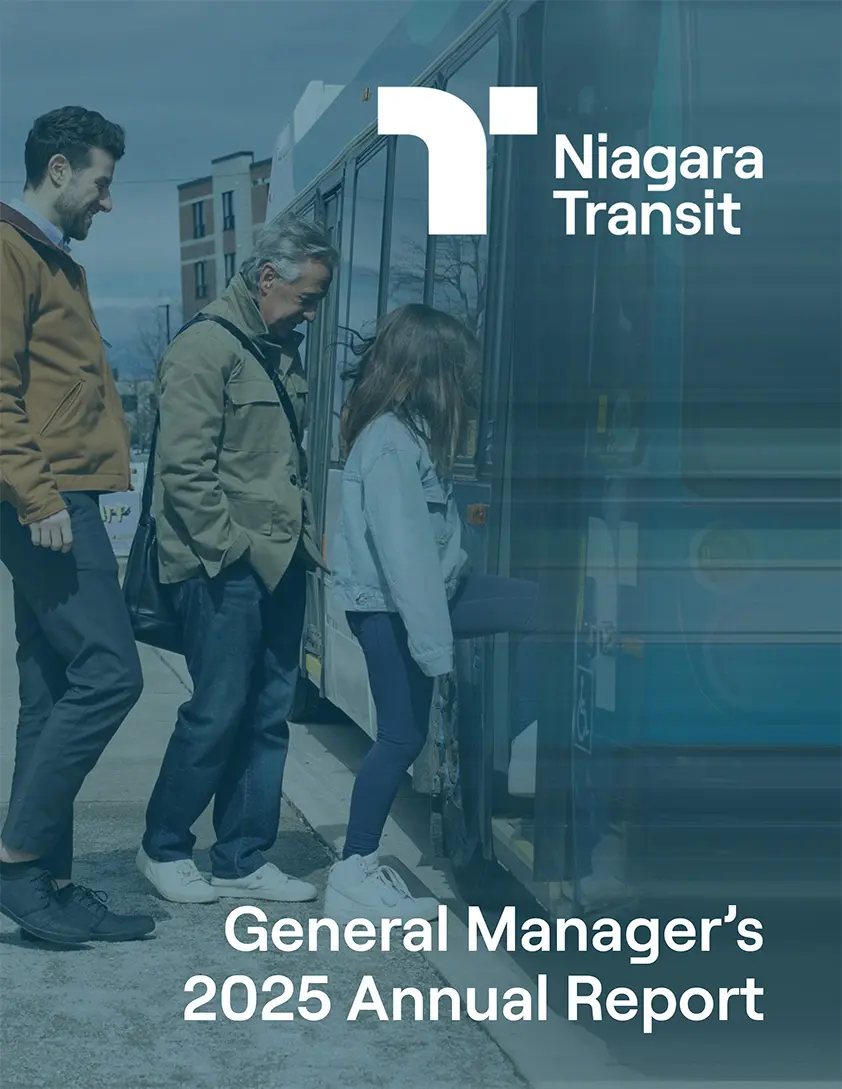
The full General Manager’s 2025 Annual Report as a PDF.
Learn more about Niagara Transit
Meet the Niagara Transit Commission, read the 2024 report, or see where transit in Niagara is headed.